Most advice about e-commerce warehouse space focuses entirely on getting orders out the door. What gets left out of that conversation is what happens when orders come back. According to the National Retail Federation's most recent returns data, roughly one in five online orders gets sent back — a number that's been climbing for years and shows no real sign of dropping. If a fifth of what you ship ends up coming home again, that's not a footnote. That's a real, ongoing space requirement, and it's one a lot of home-based sellers and even some warehouse providers don't plan for.
For a home-based seller, this usually shows up as a slow, creeping problem rather than a single crisis. A returned item gets set aside "to deal with later." Then another one. Within a few months, a spare closet that used to hold outbound inventory is now half full of items nobody's had time to inspect, restock, or write off. By the time a business actually notices the problem, it's already outgrown the workaround.
What E-Commerce Warehouse Space Actually Needs to Handle
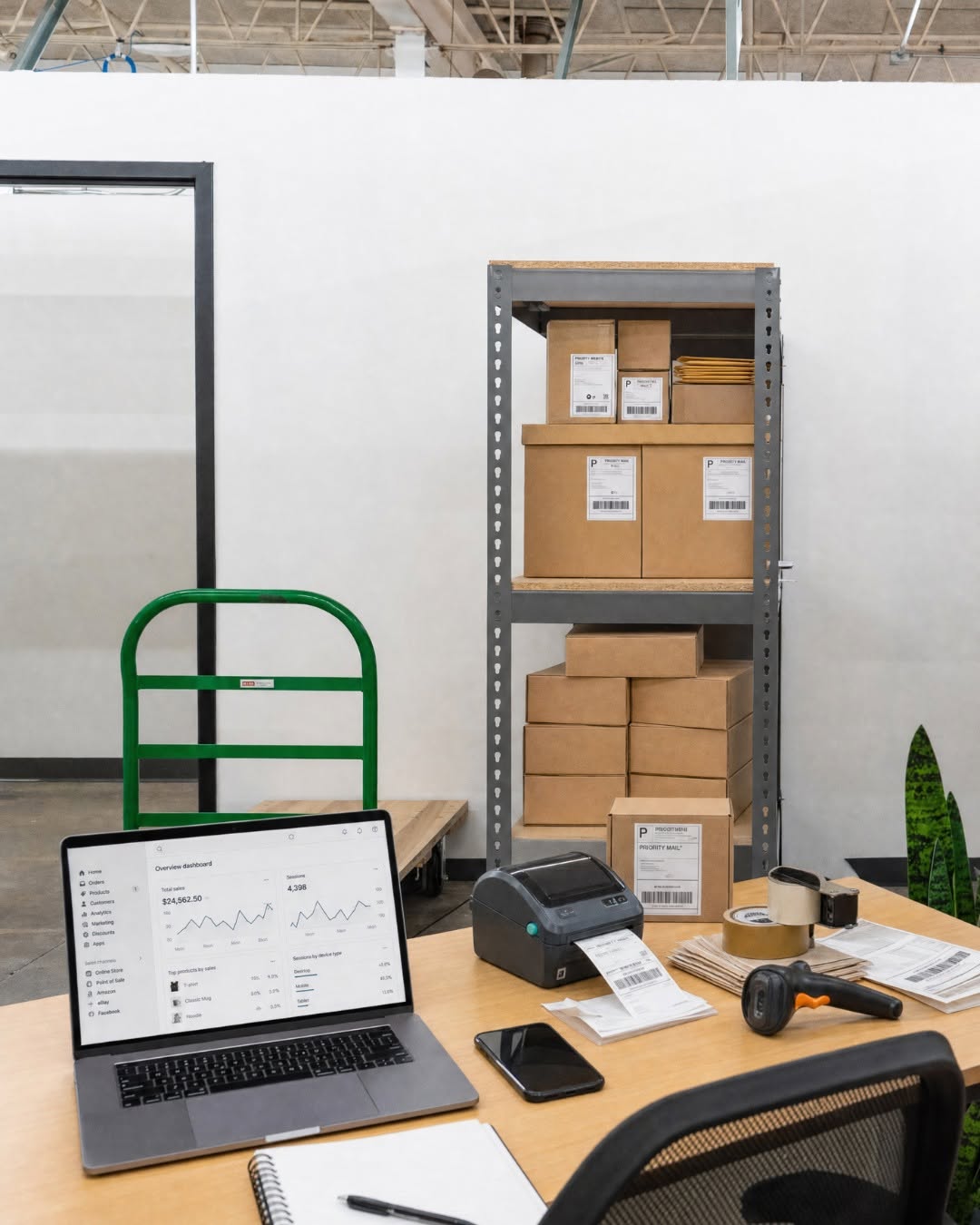
Running an online store out of a real warehouse space means covering three separate jobs, not one:
- Inventory storage that's actually organized. Shelving and a system for finding a specific SKU quickly, not just a room where boxes accumulate.
- Outbound shipping, including a place to pack orders and a reliable way to get them to a carrier — ideally without a personal car involved.
- Inbound returns processing, which needs its own space to receive, inspect, and either restock or write off a returned item — a step that's easy to underestimate until volume actually shows up.
Most flexible workspace listings only really address the first two. The returns piece tends to get treated as an afterthought, which means a growing seller either finds themselves stacking returned boxes wherever there's floor space, or shipping returns to a separate facility entirely.
How This Works at Elevator's Des Moines Location
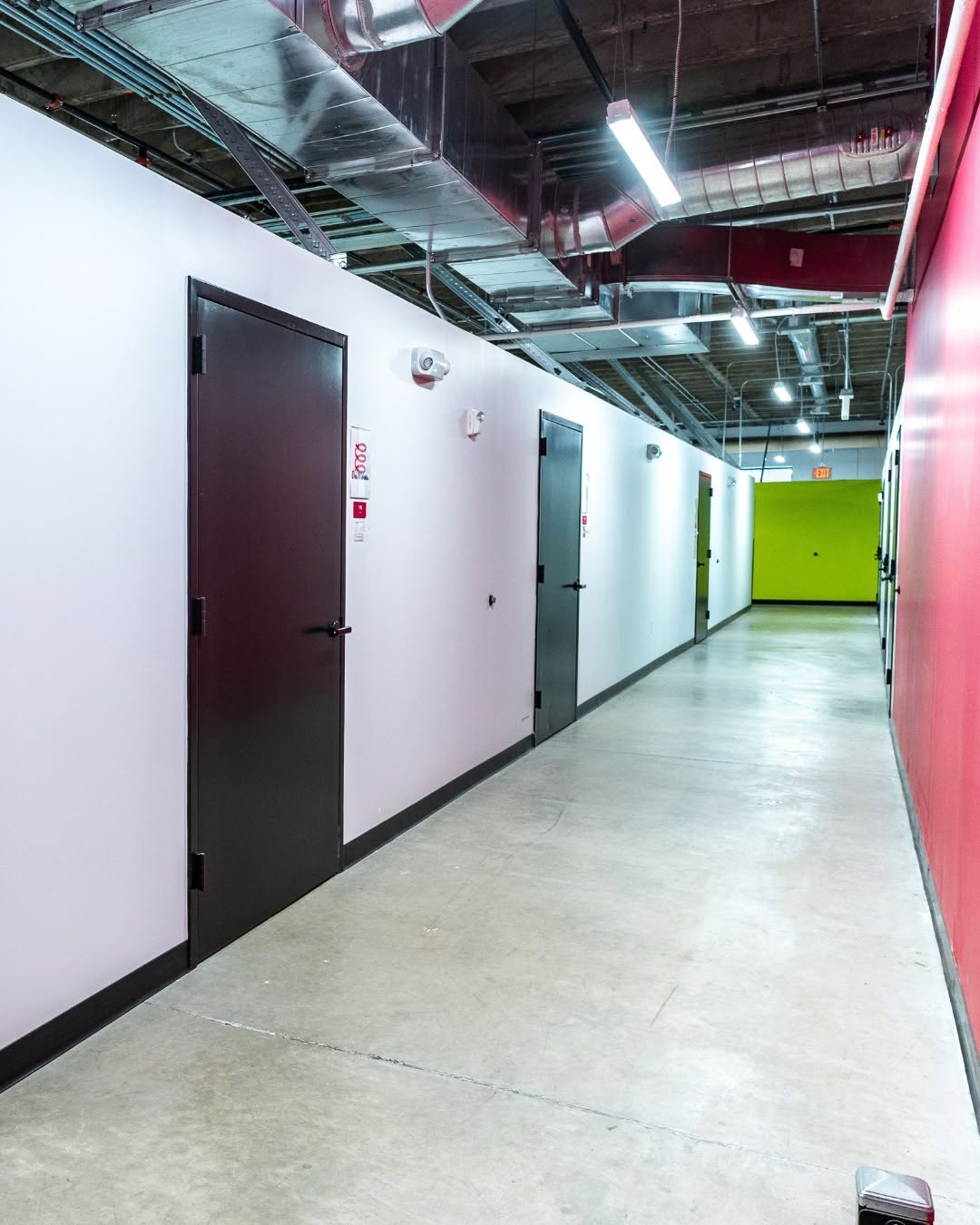
At our Des Moines location, warehouse bays are built to support all three parts of the process under one roof. Members get loading dock access and daily pickups from UPS, USPS, and FedEx, so outbound shipping runs on a predictable schedule. The same loading dock handles inbound freight and returned items, which means a returned package doesn't require a separate trip or a different process from a normal delivery — it comes through the same door as everything else.
Because units range from smaller spaces to larger suites, a seller can dedicate part of their unit specifically to returns handling without needing to rent an entire second space just to keep inspection and restocking separate from active inventory. That's a meaningful difference from a plain storage unit, where there typically isn't room to do anything but stack boxes.
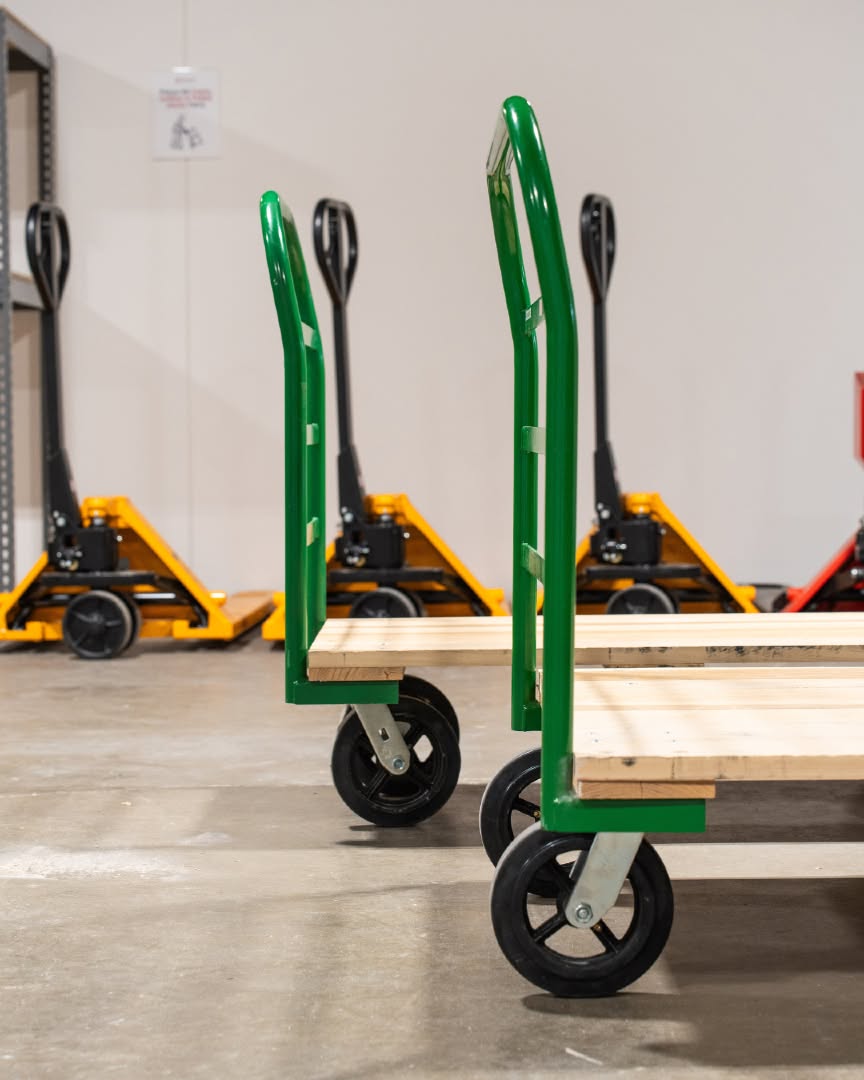
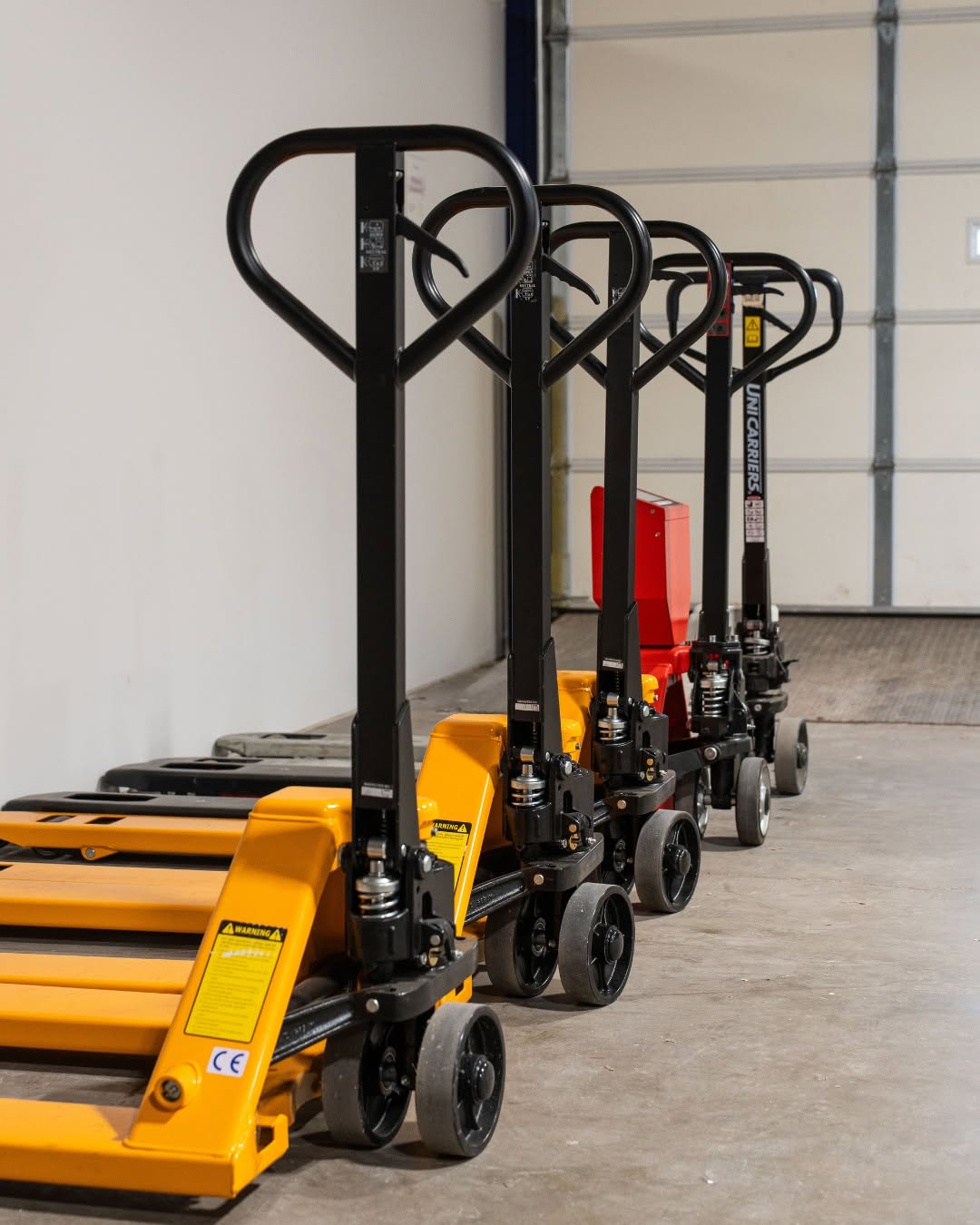
Shared warehouse equipment also matters more here than it might seem. Carts and pallet jacks that are available on-site mean a business doesn't need to own and store its own equipment just to move a pallet of returned inventory from the dock to a shelf. For a seller whose return volume fluctuates by season, that flexibility is worth more than it costs.
This Isn't Theoretical for Des Moines Sellers
Other Des Moines members have made a similar move for related reasons. Karen Brady's move from a retail storefront to Elevator happened because her business, Ephemera Design, had shifted from foot traffic to online orders, and a retail storefront simply wasn't built for the pack-and-ship reality of running an online store. Her story is really about the outbound side of this same problem — a business whose actual operational needs had outgrown a space that was never designed for them.
What to Look For in E-Commerce Warehouse Space
Whether you're comparing us to something else or just trying to figure out what you actually need, a few things matter more than raw square footage:
- A loading dock or drive-up door, for both outbound shipments and inbound returns. Hauling either through a standard door gets old fast once volume picks up.
- Daily carrier pickup, so outbound orders don't wait on a scheduled window or a personal trip to a shipping counter.
- Enough room to separate active inventory from returns, even if it's a modest amount of space, rather than everything piled together where a returned item might accidentally get shipped back out.
- Shelving or organization support, not just an empty room. Finding a specific SKU quickly matters more as inventory grows.
- Month-to-month flexibility, since order volume — and return volume along with it — rarely stays flat throughout the year.
Frequently Asked Questions
How much of my e-commerce warehouse space should I plan for returns specifically? It depends on your product category and return rate, but with online returns nationally averaging close to 20% of orders, it's worth planning dedicated space rather than assuming returns will fit wherever there's room.
Can I receive and ship both outbound orders and returns from the same unit at Elevator? Yes. Loading dock access and daily carrier pickups apply to both inbound and outbound shipments, so returns move through the same process as regular deliveries.
Do I need a large unit to separate inventory from returns processing? Not necessarily. Units range from smaller spaces to larger suites, so even a modest unit can be organized to keep active inventory and returned items separate.
Is Elevator's Des Moines location only for e-commerce businesses? No. It's built for a range of product-based businesses, makers, and service businesses, but the loading dock, daily carrier pickups, and flexible unit sizes are particularly well suited to online sellers managing regular shipping and returns.
What happens to my return volume during peak seasons like the holidays? Return volume typically climbs along with sales during peak shopping periods. Because memberships are month-to-month and units can scale in size, a business can add space temporarily to handle a seasonal spike in both orders and returns without a long-term commitment.
Do I need a long-term lease for warehouse space in Des Moines? No. Memberships are month-to-month, so space can scale up or down as order and return volume changes throughout the year.
Curious what this looks like in person? Book a tour of our Des Moines location.

- Co-Warehousing for Startups in Lincoln, NE: A Smarter Way to Scale - September 22, 2026
- Affordable Warehouse Space in St. Louis, Missouri. - September 17, 2026
- Small Business Storage in Omaha That Actually Flexes With the Seasons - September 15, 2026