A lot of small businesses in Kansas City are already operating out of a self-storage unit, whether they'd describe it that way or not. According to a recent industry survey covered by Inc. Magazine, nearly a third of Americans who rent a storage unit use it to support a side hustle, generating meaningful extra income in the process. Storage units are cheap, flexible, and easy to find, which makes them a genuinely reasonable first step. The problem shows up later, once a side hustle turns into something closer to a real business and the storage unit stops being able to keep up.
That's the gap micro warehouse space is built to fill, and it's worth understanding what actually separates it from the unit you're probably already renting. The instinct when a storage unit stops working is usually to look at the next size up — a bigger unit, or a small commercial lease. But size was rarely the actual problem. A bigger storage unit still won't let you work inside it, still won't have a carrier pick up your outgoing shipments, and still won't come with anyone else around who understands what you're building. The real upgrade isn't more square footage. It's a different kind of space entirely.
Storage Unit vs. Micro Warehouse: What Actually Changes
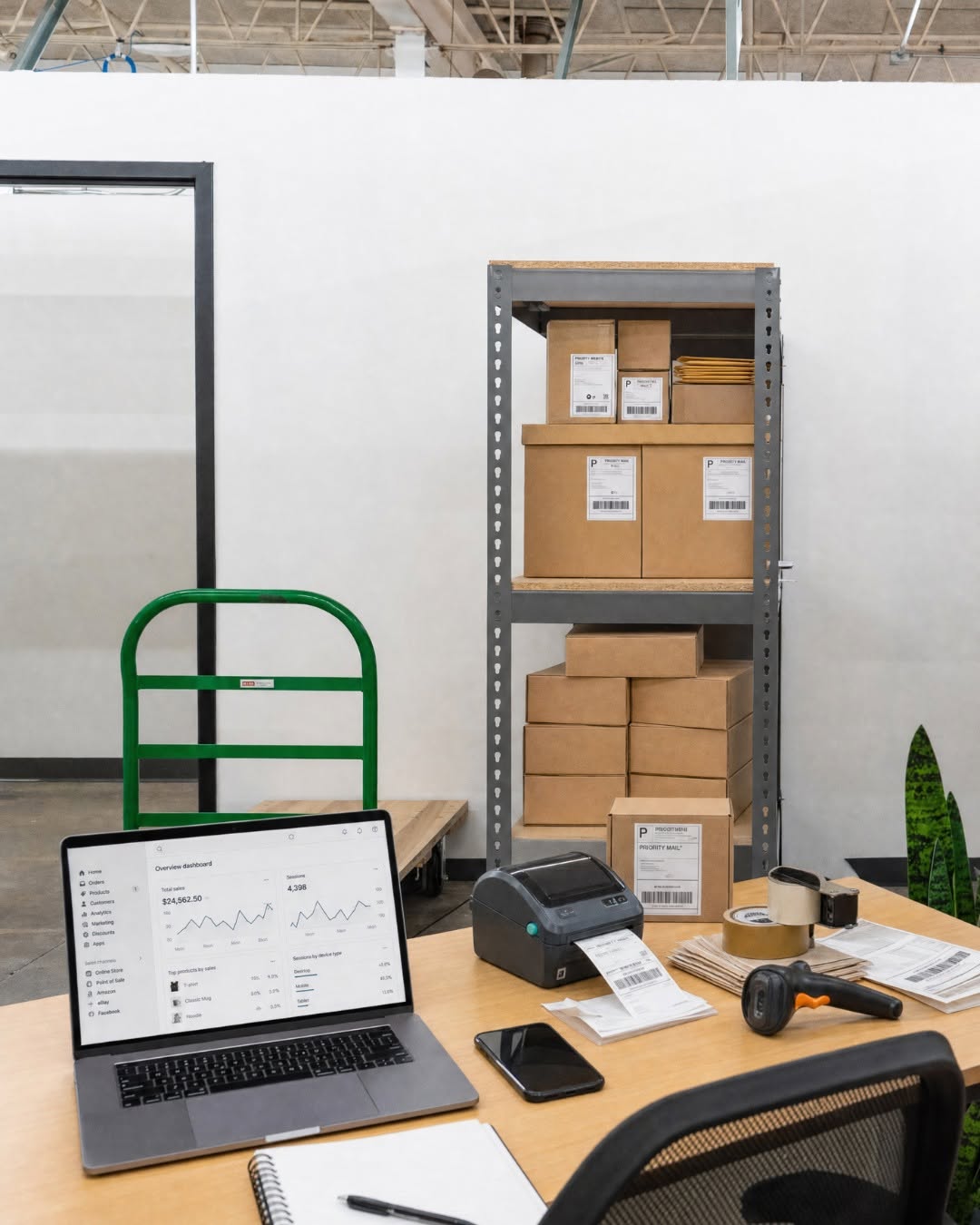
A self-storage unit holds things. Most facilities don't allow regular work inside them, don't have reliable power or internet built for daily use, and definitely don't offer a place for a carrier to pick up outgoing shipments. A micro warehouse is built around a different assumption: that a business needs to actually operate out of the space, not just stash inventory in it.
That means real differences once you're comparing them side by side:
- You can work in it. Building, packing, and organizing product is expected, not against the rules.
- Shipping happens on-site. Instead of loading a car and driving to a carrier, a micro warehouse comes with pickup and, often, loading dock access.
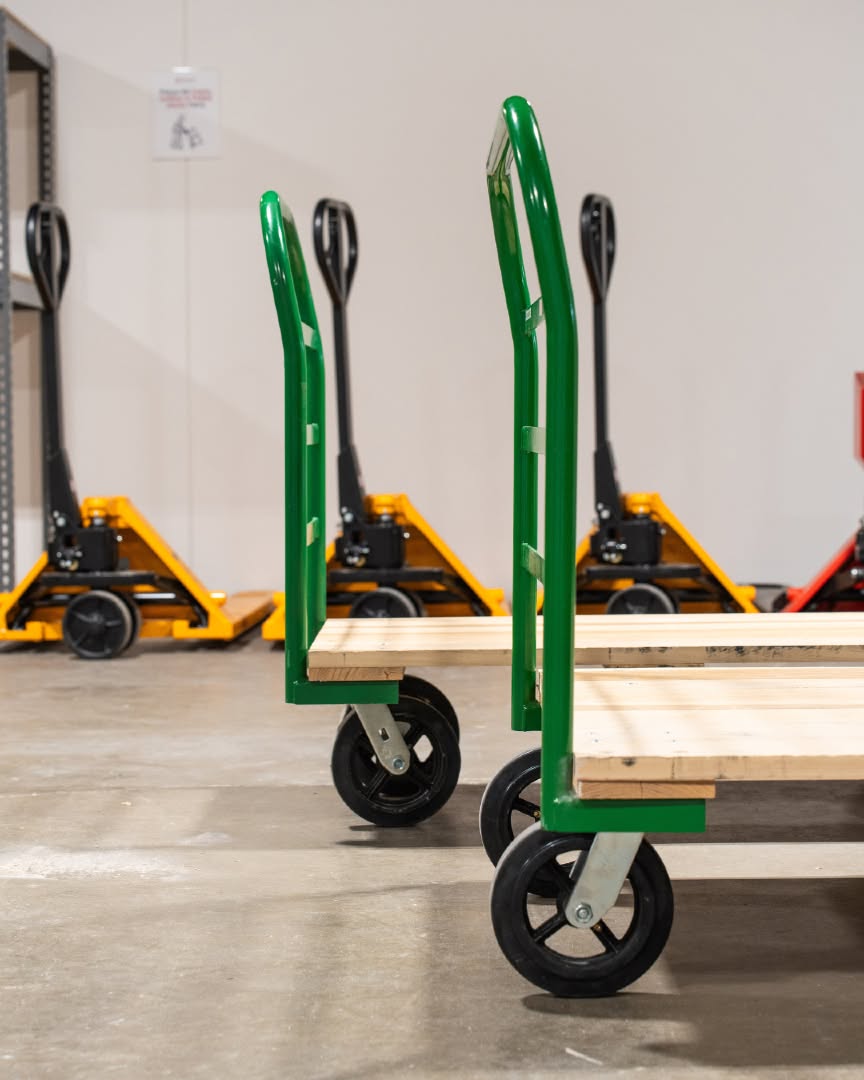
- It's part of a larger facility with more available, including shared equipment, meeting space, and a community of other businesses, rather than a standalone unit in a fenced lot.
- It's still small-scale, sized for a business that's outgrown a storage unit but isn't remotely ready for a full industrial warehouse lease.
What This Looks Like at Elevator's North Kansas City Location
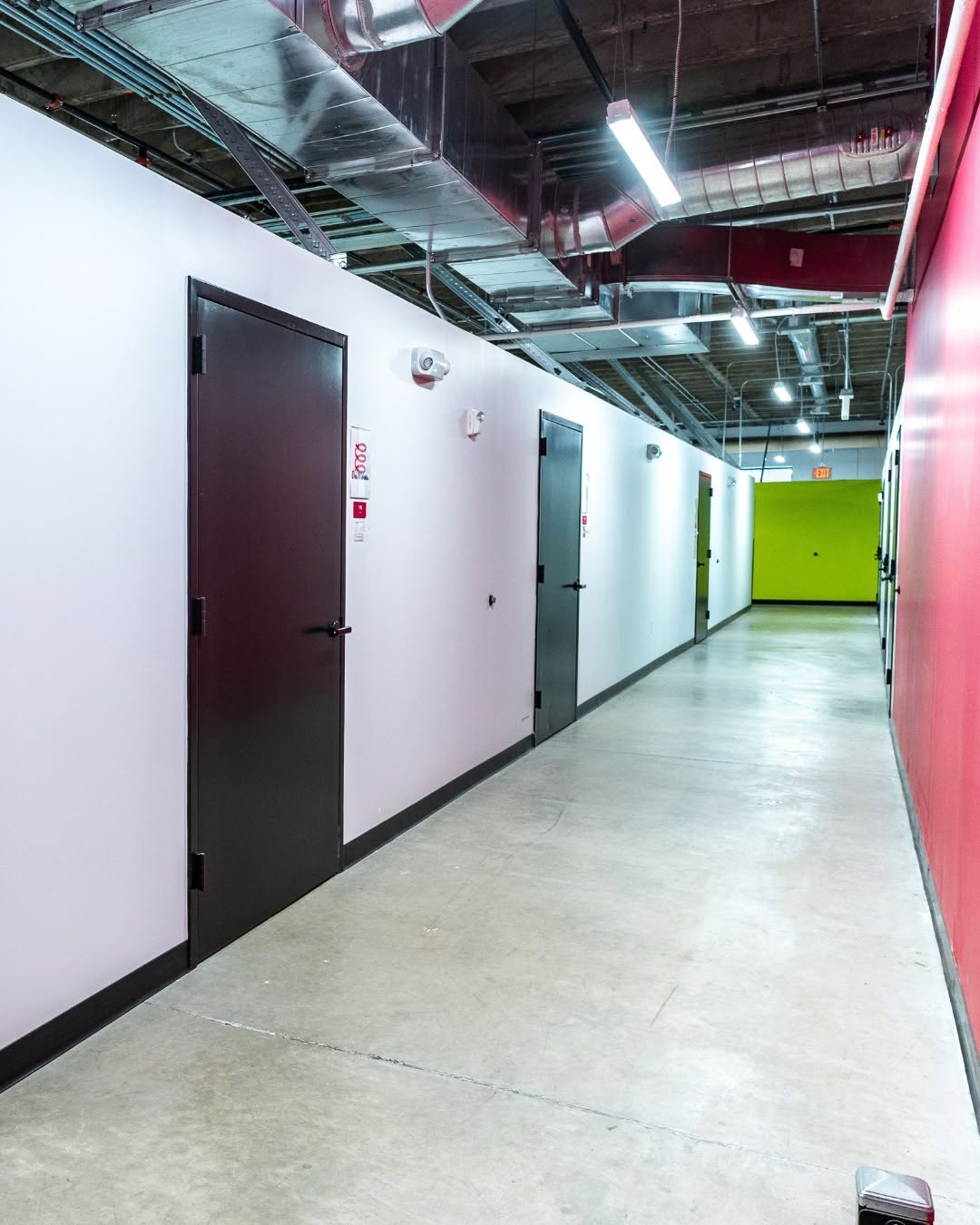
When we opened our North Kansas City location, the building was built around this exact idea: 66 micro-warehouses alongside 34 private offices, spread across roughly 42,000 square feet, with three loading docks serving the whole facility. That's a meaningful number of genuinely small, individually leasable units — not a handful of micro-warehouses tacked onto a building mostly built for larger tenants.
The math matters here. Sixty-six separate units in a single facility means the building was designed around small-scale tenants from the start, not retrofitted for them after the fact. That's a real difference from a warehouse provider that treats a micro unit as a leftover corner of a bigger property — at that scale, the amenities, the equipment, and the layout are all built with a smaller footprint in mind, not borrowed from a design meant for much larger operations.
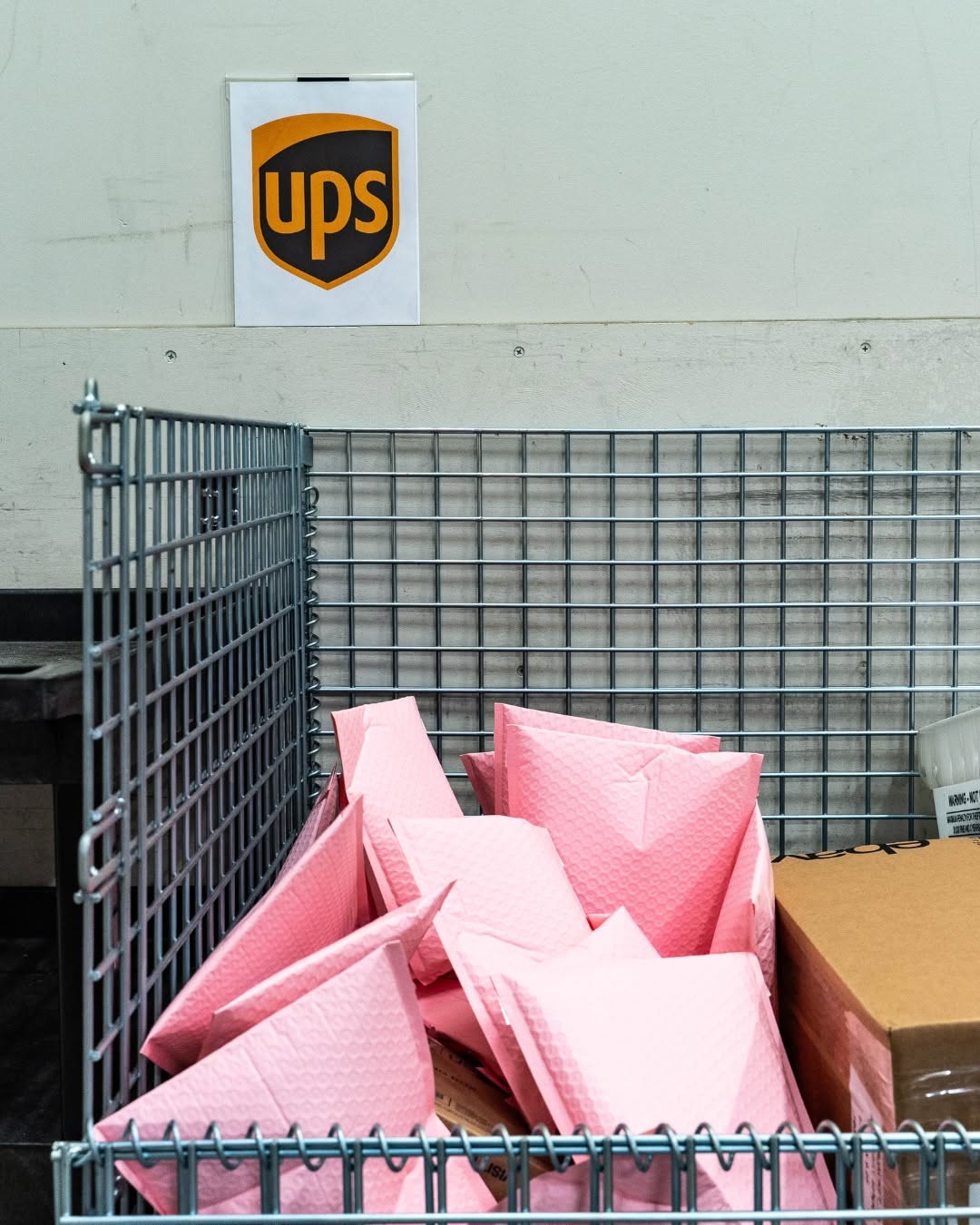
Shannon Lerda, our President and Co-Founder, described the goal simply when the location opened: to create a place we wish existed back when we were growing our own product-based business. That's not abstract marketing language — it's a direct response to exactly the gap a storage-unit side hustle runs into. Members get shared warehouse equipment and daily carrier pickups as standard, so the jump from storage unit to micro warehouse doesn't also mean learning to manage freight and shipping logistics from scratch.
The local response backed this up before we even opened. Adam Arrendondo, a serial entrepreneur and Kansas City ecosystem builder, put it this way: "I'm super excited for the addition of Elevator to the KC entrepreneurship community. I believe they fill an obvious void in the market." That's the kind of reaction that tends to show up when a real gap actually gets filled, not manufactured.
Signs You've Outgrown a Storage Unit
A few signals tend to show up before people actually make the move:
- You're visiting your storage unit multiple times a week, not just to grab something occasionally.
- You're doing real work there — packing orders, organizing inventory — even though the facility technically doesn't allow it.
- Shipping has become its own chore, involving a car, a trip, and time that could be spent running the business instead.
- You're running out of room but don't need (or want) a massive warehouse lease to solve it.
If more than one of those sounds familiar, a micro warehouse is usually the next reasonable step, not a full industrial lease. For a broader look at everything available at our Kansas City location beyond the micro-warehouse units specifically, our broader breakdown of warehouse space for rent in Kansas City covers that ground.
Frequently Asked Questions
What's the difference between a storage unit and a micro warehouse? A storage unit is built to hold items and generally doesn't allow regular work inside it. A micro warehouse is designed for daily operation — packing, organizing, and shipping — with amenities like loading dock access and carrier pickup built in.
How many micro-warehouse units does Elevator have in Kansas City? Our North Kansas City location includes 66 micro-warehouses alongside 34 private offices, spread across roughly 42,000 square feet.
Can I ship products directly from a micro warehouse at Elevator? Yes. Members get daily carrier pickups and access to loading docks, so outgoing shipments don't require a separate trip.
Do I need a long-term lease for micro warehouse space in Kansas City? No. Memberships are month-to-month, similar in flexibility to a storage unit but built for actual business operations rather than just storage.
Is micro warehouse space only for e-commerce businesses? No. It works for any small business that needs more room and more infrastructure than a storage unit offers, including makers, service businesses with inventory, and product-based side hustles moving toward full-time.
Will I have to sign a long lease if I need more space later? No. Since memberships are month-to-month, moving from a smaller micro-warehouse into a larger unit as a business grows doesn't require ending one lease and negotiating a new one elsewhere.
Ready to see what comes after the storage unit? Book a tour of our North Kansas City location.

- Co-Warehousing for Startups in Lincoln, NE: A Smarter Way to Scale - September 22, 2026
- Affordable Warehouse Space in St. Louis, Missouri. - September 17, 2026
- Small Business Storage in Omaha That Actually Flexes With the Seasons - September 15, 2026