Affordable" gets used loosely in commercial real estate, and it's worth being precise about what it actually means before comparing options. A low quoted rate isn't the same thing as a low total cost. In a standard triple net industrial lease, operating expenses alone can add roughly 30 percent on top of the quoted base rent once property taxes, insurance, and common area maintenance are factored in. A rate that looks cheap on a listing can end up costing more than a higher quoted rate somewhere else, once all the pieces are added up.
That gap matters most for a small business, since it's exactly the kind of surprise that's hardest to absorb without warning. A larger company might have the cash flow to weather an unexpected CAM reconciliation bill at the end of the year. A small business operating on tighter margins usually doesn't, and an unpredictable cost is often worse than a slightly higher predictable one. Affordable warehouse space in St. Louis should mean predictable, all-in cost, not just a low number on a flyer.
What "Affordable" Actually Requires
A genuinely affordable warehouse setup for a small business usually comes down to a few specific things, not just a low headline rate:
- All-inclusive pricing. Utilities, maintenance, and common area costs rolled into one predictable monthly number, rather than a base rent plus a separate, variable bill that shows up later.
- No large minimum commitment. Traditional industrial space often starts around 5,000 square feet with a multi-year lease attached, which is a lot of unavoidable cost for a business that needs a fraction of that.
- Month-to-month flexibility. A lease that locks in size and term for years removes the ability to shrink back down if a business overestimates its needs, which turns a manageable cost into a fixed one regardless of what actually happens.
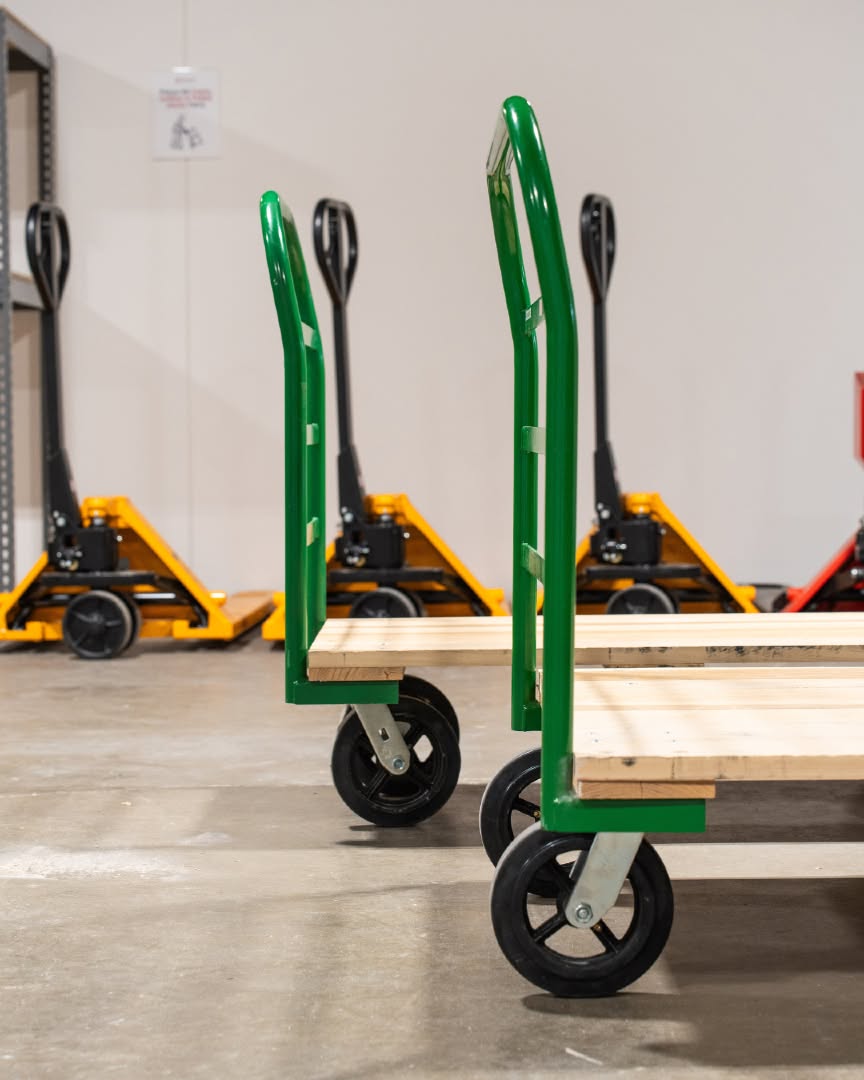
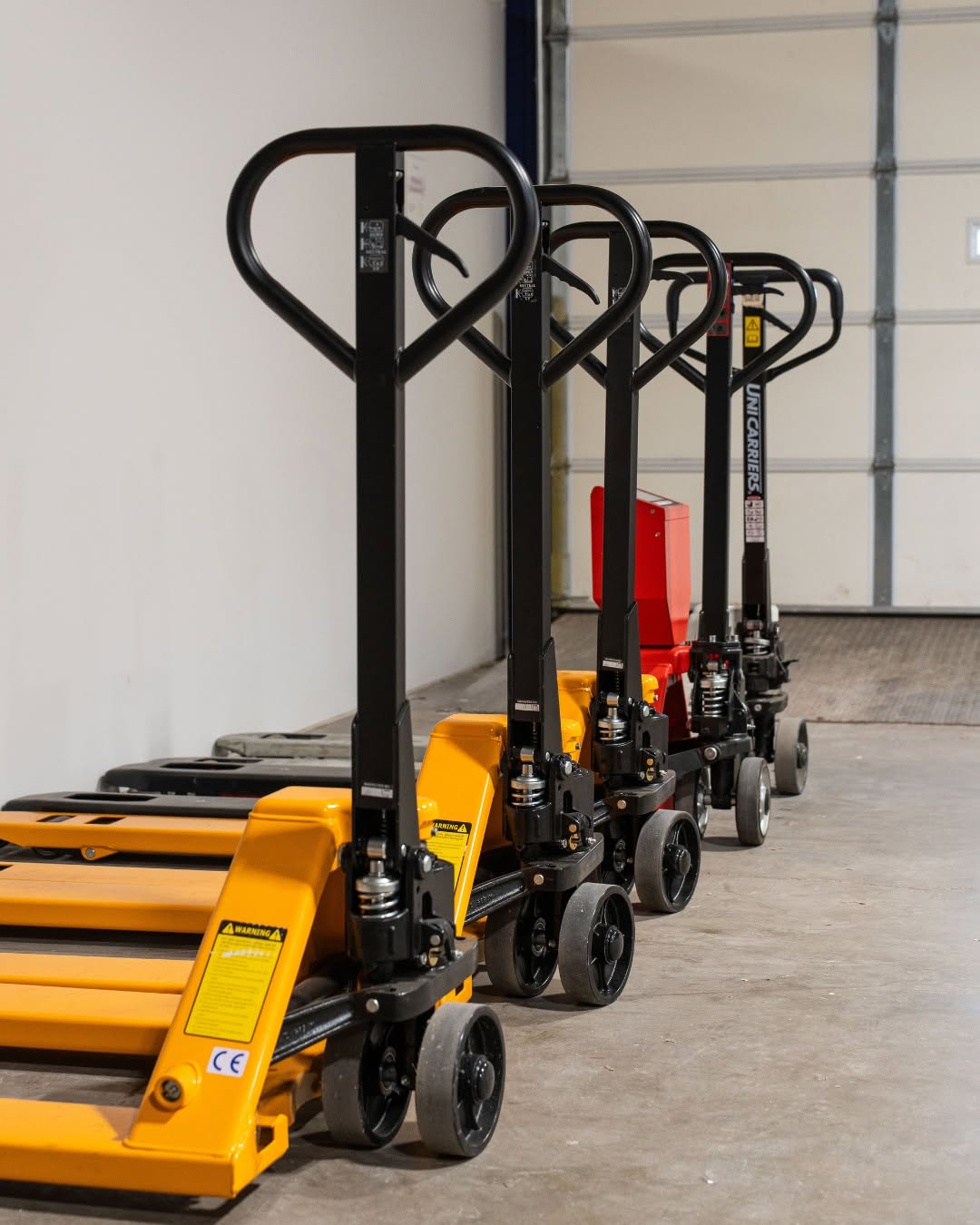
- No separate equipment costs. Buying and storing your own pallet jacks, carts, and dollies adds real expense on top of a lease rate that a shared-equipment model avoids entirely.
What This Looks Like at Elevator's St. Louis Location
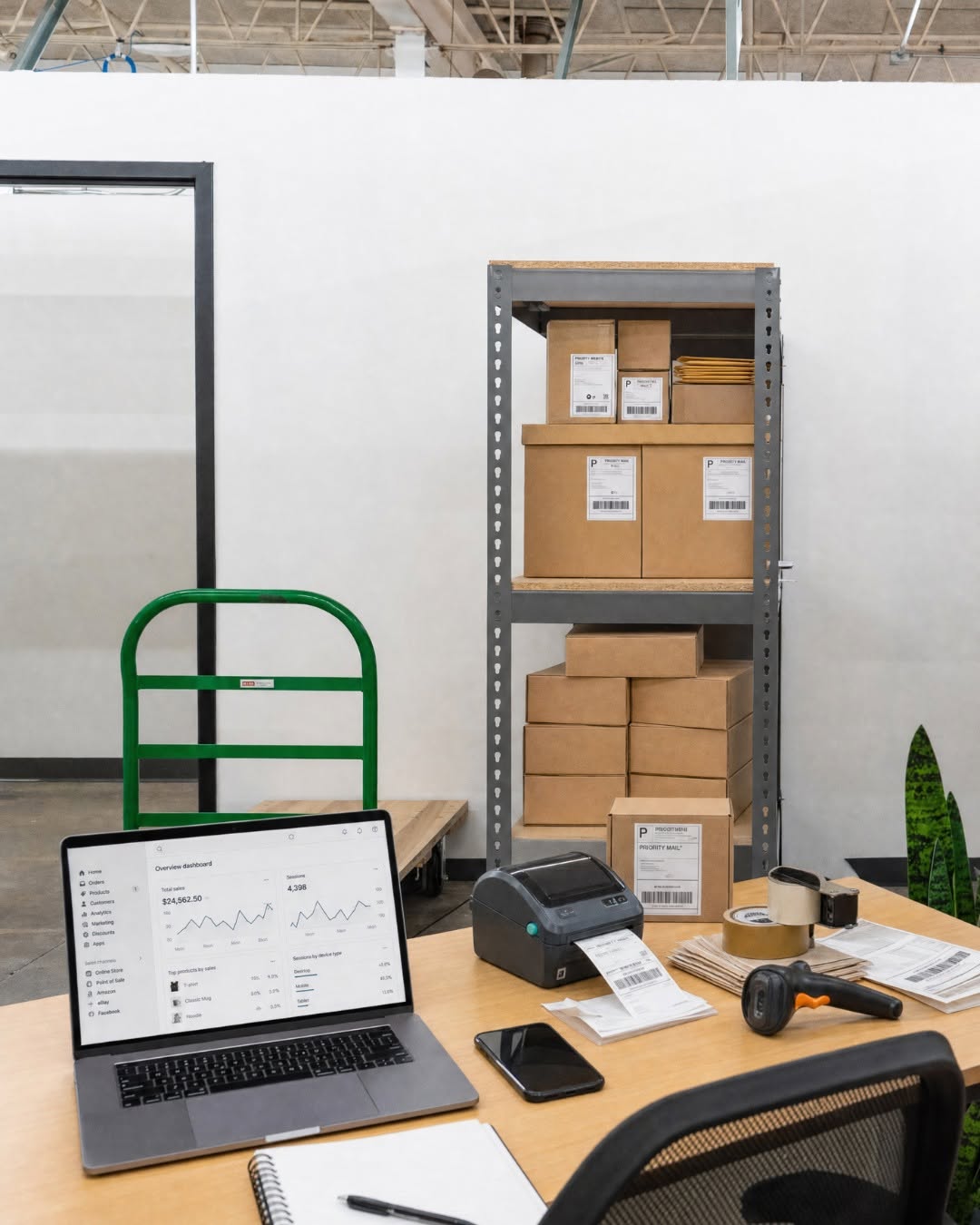
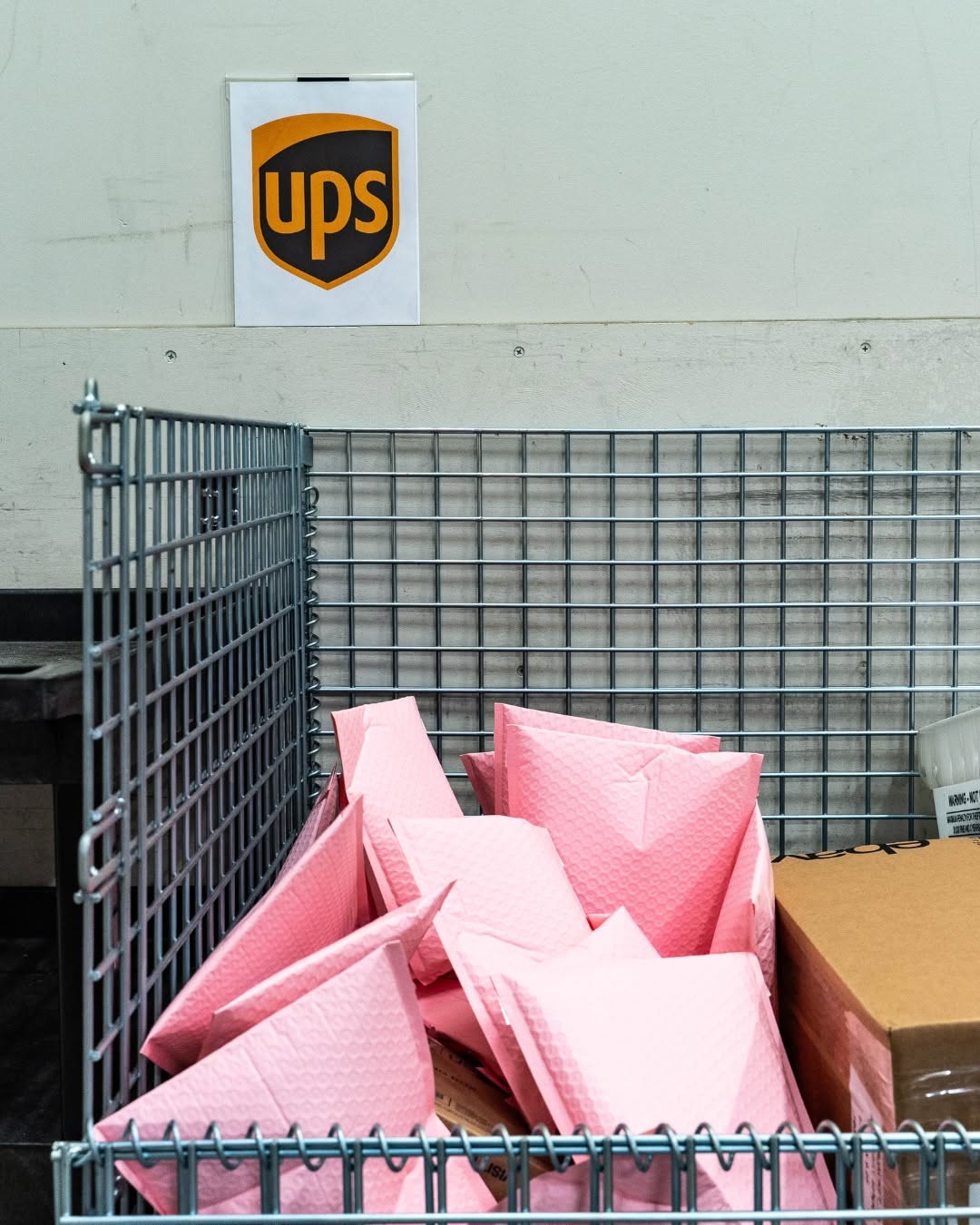
At our St. Louis location, membership pricing covers utilities, warehouse equipment, and daily carrier pickups as part of one monthly rate, not a base rent with separate operating expenses layered on top afterward. That structure exists specifically to avoid the surprise-bill problem that makes a "cheap" quoted rate turn expensive over the course of a lease.
We opened this location on August 20, 2026, and it was already roughly half full on day one, with about 70 businesses moving in from the start. Shannon Lerda, our President and Co-Founder, put it simply: "We picked St. Louis on purpose. Everyone we met here was generous with their connections; the entrepreneurial energy is real, and it did not take long before this felt like home." That kind of immediate uptake isn't what happens when a space is competing purely on being the cheapest option in town — it's what happens when businesses do the total-cost math and it actually works out.
Current pricing varies by unit size and availability, so rather than quoting a number that could be outdated by the time you read this, the most accurate way to get current pricing is to book a tour directly.
The Trap of Chasing the Lowest Number
It's worth being honest about the other side of "affordable," too. The cheapest available warehouse space in a market is sometimes cheap because it's missing something — no loading dock, no carrier pickup, no shared equipment, or a location far enough out that transportation costs eat into any savings. A business that picks the lowest number without checking what's actually included can end up paying more in workarounds than it would have paid for a slightly higher, all-inclusive rate from the start.
There's a version of this that shows up constantly with self-storage, too. A 10x10 storage unit looks inexpensive on a monthly basis, but it doesn't include shipping support, work space, or any of the infrastructure a growing product business actually needs — so the "savings" often just get spent elsewhere, on gas driving to a shipping counter or on hours lost to an inefficient setup. Affordability only means something once you're comparing what a price actually buys, not just the number itself.
For more on what's specifically included at our location beyond pricing structure, what we've written about our St. Louis building covers the building and its amenities in more depth.
What to Look For When Comparing "Affordable" Options
- Ask what's included in the quoted rate, not just what the rate itself is.
- Ask about CAM charges, property taxes, and insurance pass-throughs if you're looking at a traditional industrial lease.
- Calculate total occupancy cost, not just the number on the listing, before comparing two options against each other.
- Factor in equipment costs if a space doesn't include shared carts, pallet jacks, or dollies.
- Weigh the cost of a long lease commitment against the cost of month-to-month flexibility, especially if your space needs aren't fully predictable yet.
Frequently Asked Questions
What does "affordable" actually mean for warehouse space? It should mean predictable, all-in monthly cost, not just a low quoted base rate. Traditional industrial leases often carry additional operating expenses on top of the quoted rate that can add significantly to the real cost.
Does Elevator's pricing include utilities and equipment, or are those billed separately? Membership pricing is all-inclusive, covering utilities and access to shared warehouse equipment rather than billing them separately.
Do I need a long-term lease to get affordable warehouse space at Elevator? No. Memberships are month-to-month, which avoids the financial risk of committing to a multi-year lease before knowing exactly how much space a business will need.
How can I get current pricing for Elevator's St. Louis location? Since pricing can vary by unit size and availability, booking a tour is the most reliable way to get current, accurate information.
Is the cheapest available warehouse space always the most affordable option? Not necessarily. A low quoted rate that's missing amenities like loading dock access, carrier pickup, or shared equipment can end up costing more once those gaps have to be worked around.
How does Elevator's pricing compare to a traditional industrial warehouse lease? The comparison isn't apples to apples in the way a quoted rate suggests. A traditional lease's quoted rate typically excludes taxes, insurance, and CAM charges, while Elevator's monthly pricing is meant to reflect the full, predictable cost of the space and its included amenities.
Curious what affordable actually looks like in practice? Book a tour of our St. Louis location.

- Co-Warehousing for Startups in Lincoln, NE: A Smarter Way to Scale - September 22, 2026
- Affordable Warehouse Space in St. Louis, Missouri. - September 17, 2026
- Small Business Storage in Omaha That Actually Flexes With the Seasons - September 15, 2026