Most advice about small business storage assumes a fairly steady, year-round need. That's not how a lot of small businesses actually work. For many online sellers, November and December alone can account for 30 to 50 percent of total annual revenue — which means the amount of inventory a business needs to store during that stretch can look nothing like what it needs the rest of the year. A storage setup sized for a normal October looks badly undersized in November, and a setup sized for peak season sits mostly empty every other month.
That mismatch is a real, recurring problem, and it's one that a lot of standard storage options simply aren't built to solve. Most storage solutions are priced and structured around the assumption that a business's needs stay roughly constant, which quietly punishes any business whose sales don't actually work that way — and a surprising number of small businesses fall into that category once you look past the ones selling the same steady volume every week.
Why Fixed Storage Doesn't Match Seasonal Business
A traditional commercial lease locks in a specific square footage for a specific term, usually years. A self-storage unit is a little more flexible, but it's still sized once and rarely scales up quickly when a business suddenly needs three times the space for eight weeks. Both options force a choice between paying for space you don't need most of the year or scrambling for extra room right when you need it most — exactly when time and attention are already stretched thin.
Home-based storage runs into the same wall even faster. A garage or spare bedroom that comfortably holds a normal month of inventory usually can't absorb a holiday-season buildup at all, which means overflow ends up in hallways, cars, or wherever there's floor space left.
How This Works at Elevator's Omaha Location
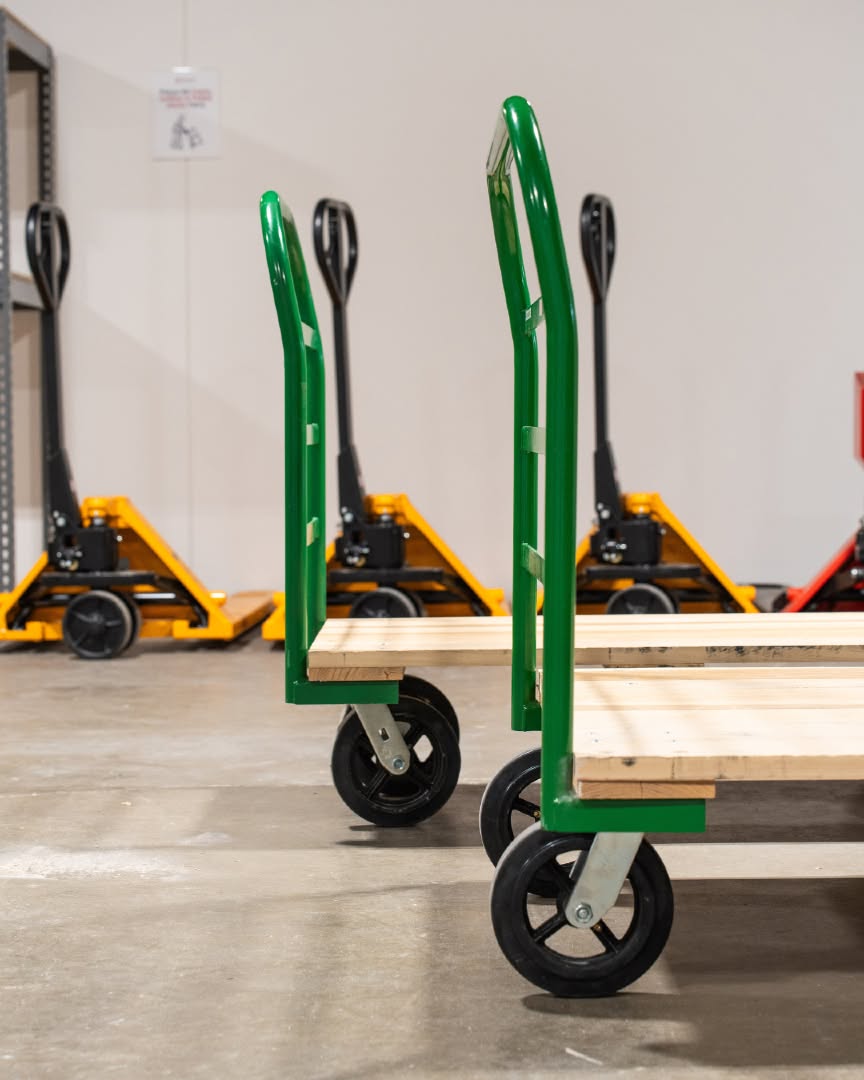
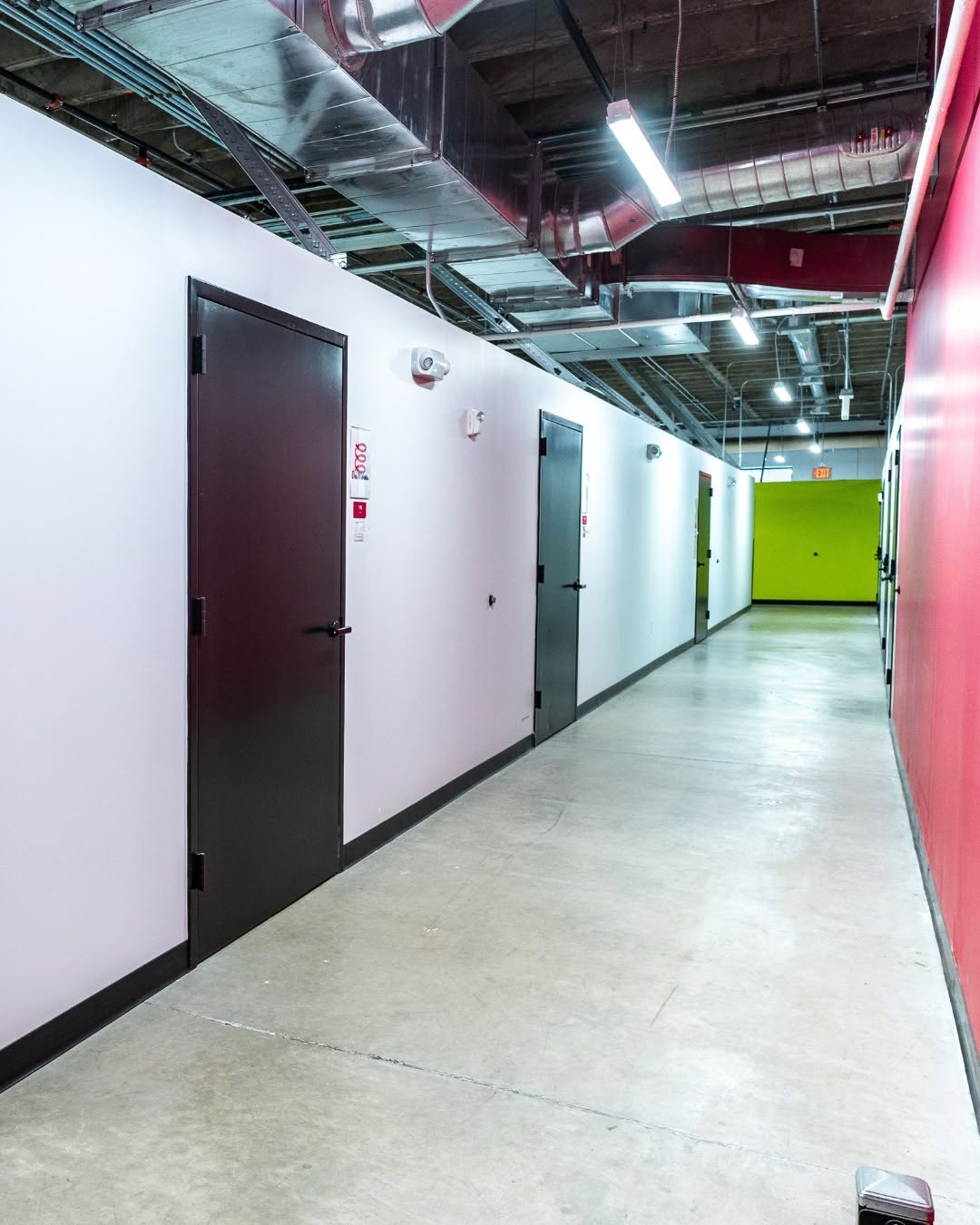
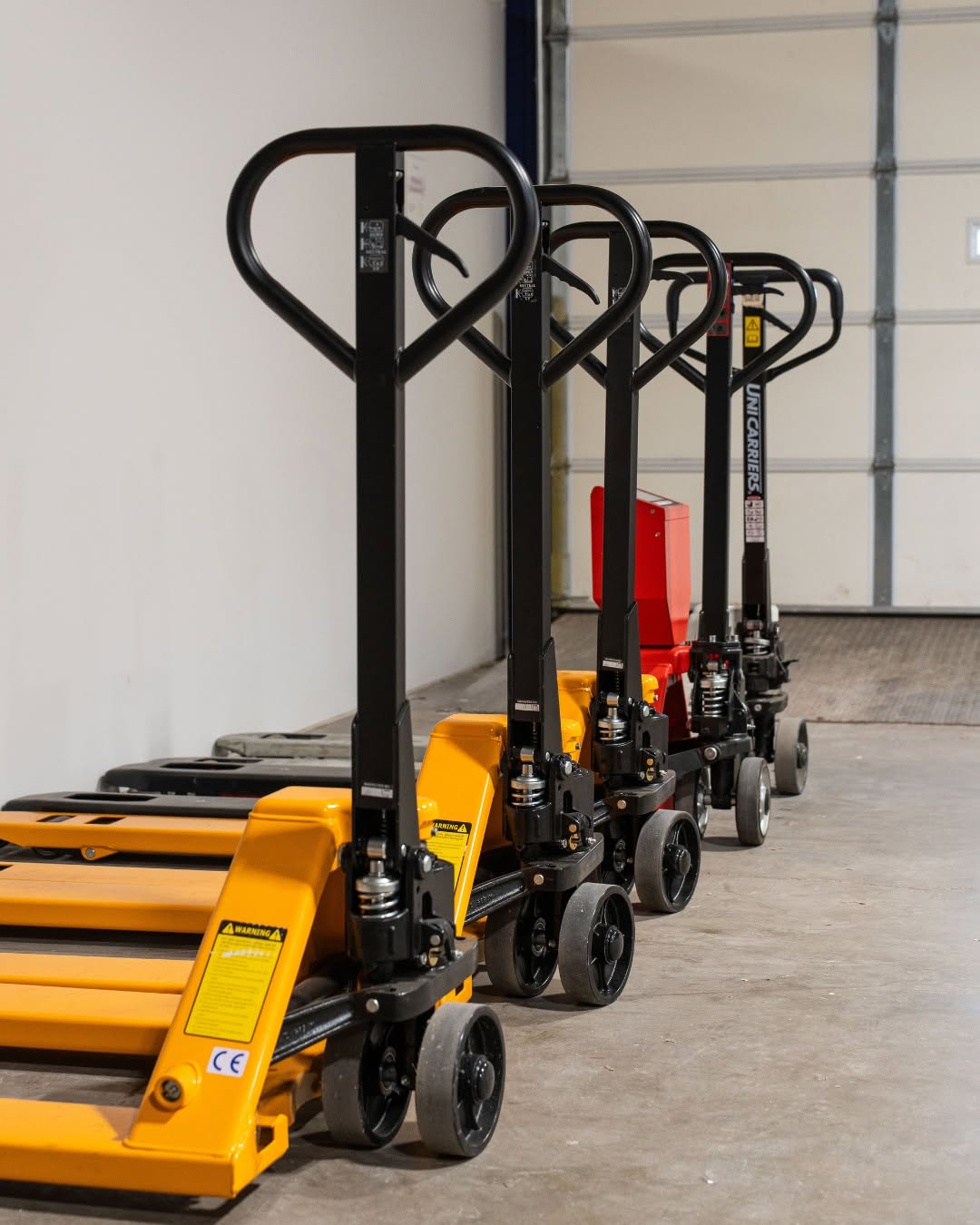
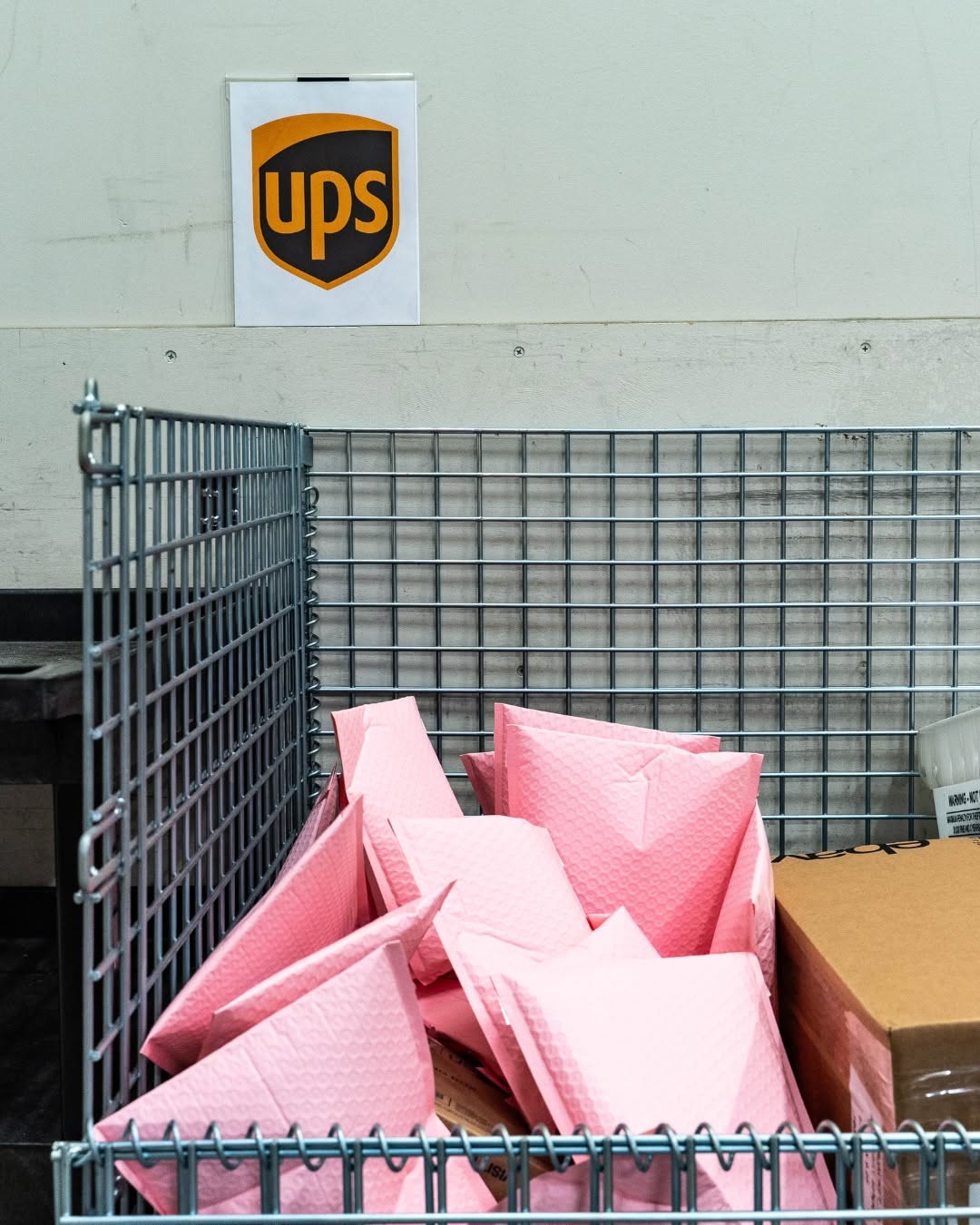
At our Omaha location, storage isn't locked to a fixed size for a fixed term. Because memberships run month-to-month, a business can add space heading into a busy season and scale back down once things settle, rather than committing to peak-season square footage all year or under-planning for the rush. Members get shared warehouse equipment and daily carrier pickups regardless of unit size, so scaling up doesn't mean losing access to the infrastructure that makes shipping manageable in the first place.
That flexibility matters most exactly when it's hardest to plan for. A seasonal spike doesn't always show up on a predictable schedule — a product goes viral, a wholesale order comes in bigger than expected, or a holiday season simply runs stronger than the last one. Being able to add space on short notice, without renegotiating a lease or finding a second storage unit across town, is the difference between handling a good problem well and scrambling through it.
There's a quieter cost to getting this wrong that's easy to overlook until it happens: a business that under-plans for a seasonal spike often ends up improvising, which usually means less organized inventory, slower order fulfillment, and mistakes that show up right when the most customers are watching. Storage flexibility isn't just about having enough room — it's about keeping the rest of the operation running smoothly when volume is highest and the margin for error is lowest.
It's Not Just Holiday Retail
Seasonal storage swings show up well beyond gift-buying season. Lawn and garden businesses build up inventory every spring. Holiday decor sellers stock up months before Halloween and Christmas. Swimwear and outdoor gear brands see the same pattern heading into summer. Back-to-school products spike every July and August. Any business with a predictable seasonal curve runs into the same core problem: the amount of space that makes sense in the slow months is the wrong amount in the busy ones.
What to Look For in Seasonal Storage
If a business's inventory needs genuinely swing throughout the year, a few things matter more than they might for a business with flat, predictable storage needs:
- True month-to-month flexibility, not just a shorter lease term that still locks in a fixed size.
- Room to physically expand within the same location, rather than needing to find and coordinate a second space during your busiest stretch.
- Shared equipment that scales with you, so more inventory doesn't mean buying more of your own carts and pallet jacks.
- Daily carrier pickup that holds up under higher volume, since peak season usually means more outbound shipments, not just more inventory sitting still.
- A provider that's used to seasonal swings, rather than one that treats every member's space needs as fixed and unchanging.
For more on how this plays out for online sellers specifically, our breakdown of e-commerce fulfillment space in Omaha covers the shipping and packing side of peak-season operations in more depth.
Frequently Asked Questions
Can I temporarily add storage space at Elevator during a busy season? Yes. Because memberships are month-to-month, a business can scale up its unit size heading into a busy stretch and scale back down once demand settles.
Is seasonal storage only relevant for holiday retail businesses? No. Lawn and garden, outdoor gear, back-to-school products, and any business with a predictable seasonal sales curve run into the same storage mismatch, just at different times of year.
How much of my storage costs should I expect to change with the seasons? That depends on your business, but since pricing is based on the space you're actually using month to month, costs scale with your unit size rather than staying fixed regardless of how much room you need.
What happens if I don't plan ahead for a seasonal storage increase? It's still possible to add space on shorter notice, but planning ahead, especially before a known busy season like the holidays, makes it easier to guarantee availability.
Does seasonal flexibility apply to office space too, or just warehouse units? It can apply to both, since a business's team or workspace needs can shift seasonally as well, not just inventory storage.
How far in advance should I plan for a seasonal storage increase? There's no fixed rule, but for a predictable peak like the holidays, planning a month or two ahead makes it easier to secure the right amount of space before the busiest weeks arrive, rather than trying to scale up in the middle of the rush.
Curious how this could work for your business? Book a tour of our Omaha location.

- Co-Warehousing for Startups in Lincoln, NE: A Smarter Way to Scale - September 22, 2026
- Affordable Warehouse Space in St. Louis, Missouri. - September 17, 2026
- Small Business Storage in Omaha That Actually Flexes With the Seasons - September 15, 2026