Before Elevator existed, our co-founder Shannon Lerda went looking for exactly this: a small space, around 1,000 square feet, with a loading dock and a one-year lease. She learned fast that combination basically didn't exist. Most available warehouse space required a lease of two to five years, and landlords wanted proof the business was already profitable before they'd even consider a shorter commitment. That search — in Omaha, before any of this was built — is a big part of why Elevator's Des Moines location includes loading dock access as a baseline feature, not something reserved for tenants leasing tens of thousands of square feet.
It's a small detail, but it explains a lot about why co-warehousing exists as a category in the first place. The problem was never really about warehouse space being unavailable. Plenty of warehouse space exists. The problem was that almost none of it was sized, leased, or structured for a business that needed real receiving infrastructure but didn't need — or qualify for — a large-scale commercial deal.
Why Loading Dock Access Is a Different Problem Than Storage
Not every product-based business needs a loading dock. If you're shipping small parcels through UPS, FedEx, or USPS, a standard door and a scheduled pickup covers most of what you need. A loading dock matters for a different kind of operation: freight and pallet deliveries, bulk raw materials, larger finished goods, and anything that doesn't reasonably fit through a person-sized doorway. Light manufacturers, furniture makers, and businesses receiving supplies by the pallet run into this constantly — the storage half of the problem is solvable almost anywhere, but the receiving half isn't.
That's exactly the category the commercial real estate industry calls small-bay industrial space — buildings under roughly 100,000 square feet, split into individual suites, built for exactly the kind of business that needs dock access but doesn't need (or want) an entire industrial building to itself. In that segment, dock door ratio tends to matter more than raw square footage, and it's a genuinely undersupplied category nationally, concentrated in the same infill, close-to-the-city locations that are hardest to build more of.
What This Looks Like at Elevator's Des Moines Location
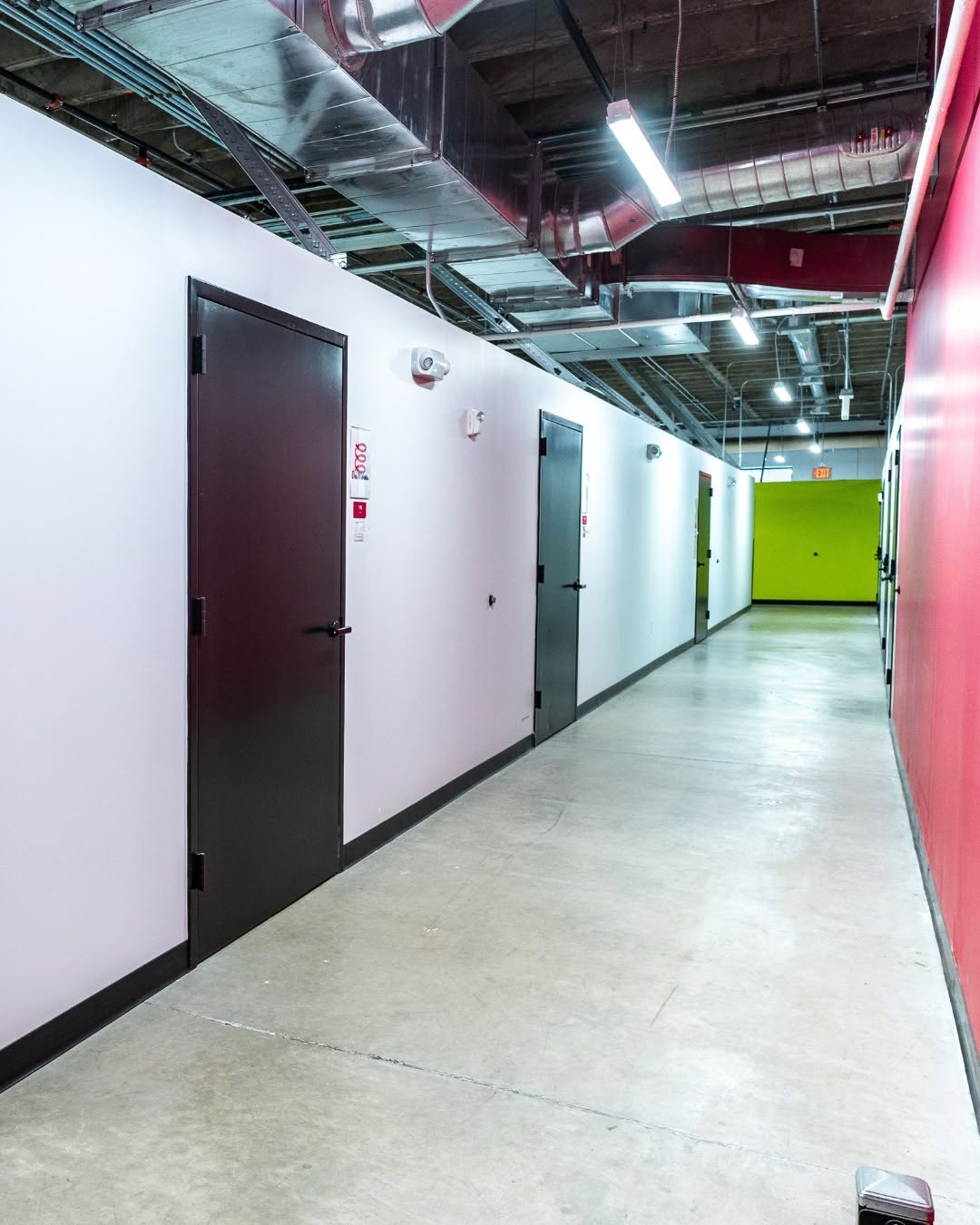
Our Des Moines building has real history behind it: it was previously owned by Nationwide Mutual Insurance, and it's a three-story property with nearly 40,000 square feet of space. Rather than leasing the whole building to one large tenant, we split it into individual warehouse bays, private offices, and shared coworking space, so loading dock access and shared warehouse equipment come standard with a unit sized for what a business actually needs today, not what it might grow into over a five-year term.
That structure is intentional, not incidental. Our own VP of Revenue has described the traditional alternative plainly: standard commercial warehousing typically starts at minimum lease commitments of five years and roughly 5,000 square feet, which represents a serious financial risk for a small business or a manufacturer still testing a new market. Splitting a building into smaller, dock-equipped bays with month-to-month terms removes that risk without removing the infrastructure that actually matters — the dock itself.
Loading Dock Space Isn't Just for E-Commerce
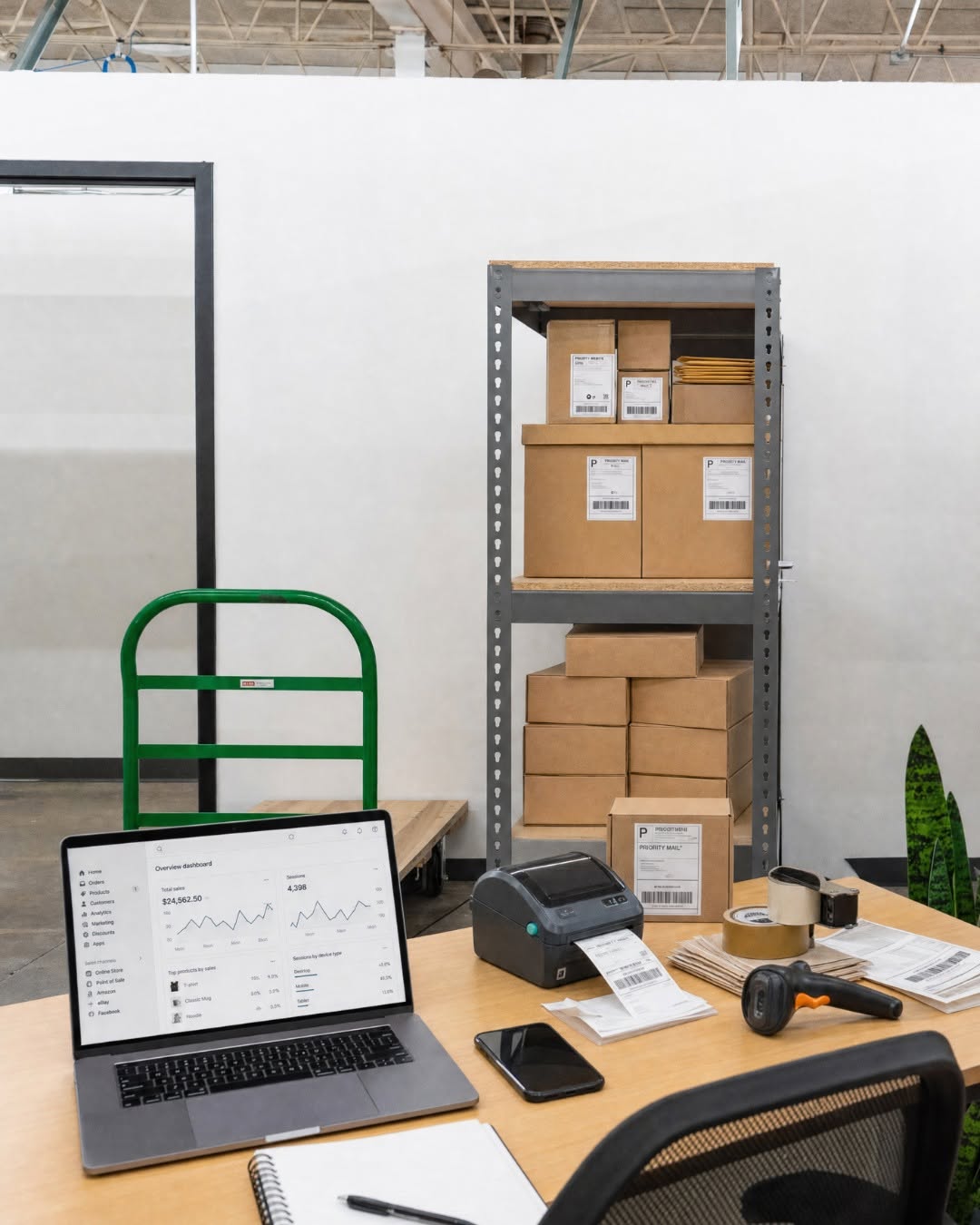
It's worth being direct about who this is really built for. Our loading dock warehouse space works well for e-commerce, but it's just as suited to light manufacturers, furniture and home goods sellers, contractors who store equipment and materials, and any business that regularly receives freight rather than small parcels. A furniture maker taking delivery of raw lumber by the pallet has a fundamentally different loading need than a jewelry brand shipping small padded envelopes, even though both might describe themselves as needing "warehouse space." If your day-to-day is closer to small-parcel shipping and returns handling, our breakdown of e-commerce warehouse space in Des Moines covers that side of things in more detail.
What to Look For in Loading Dock Warehouse Space
Whether you end up with us or somewhere else, a few things are worth checking before signing anything:
- An actual dock, not just a wide door. A drive-up door helps, but a true loading dock at truck-bed height makes pallet handling dramatically easier.
- Realistic unit sizing. A business that needs 1,500 square feet shouldn't have to lease 5,000 just because that's the smallest available bay.
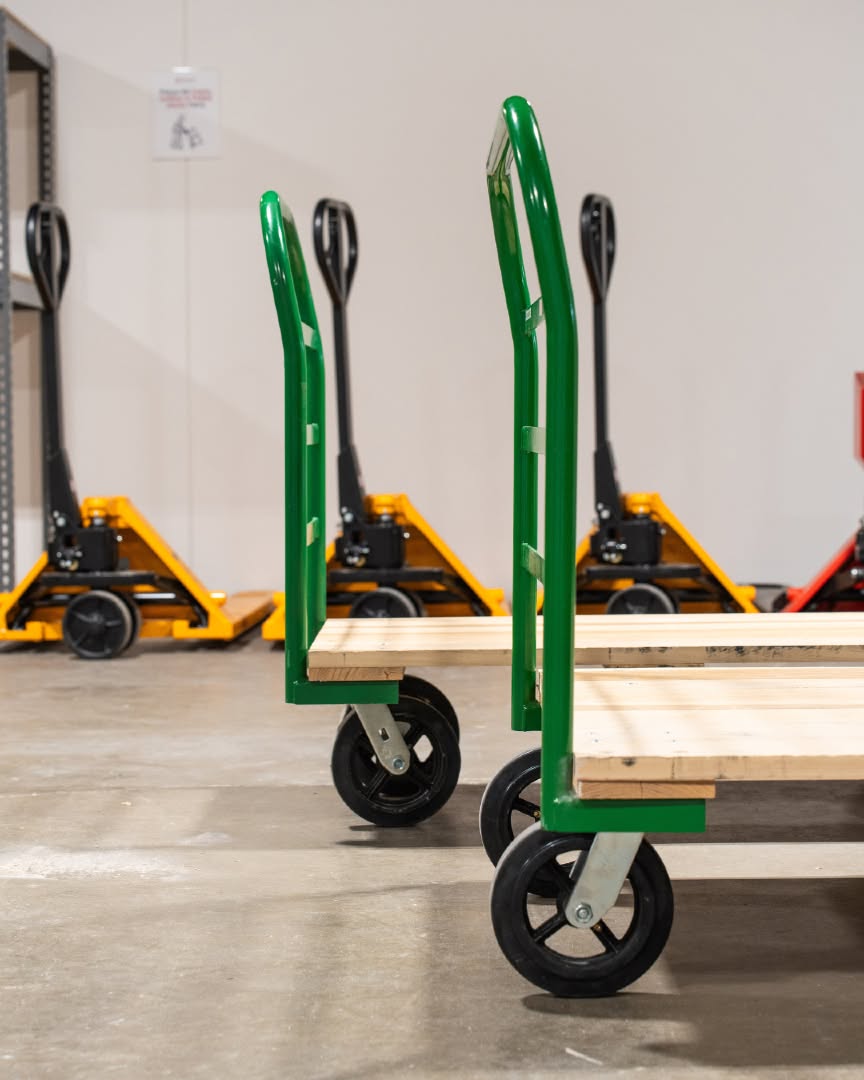
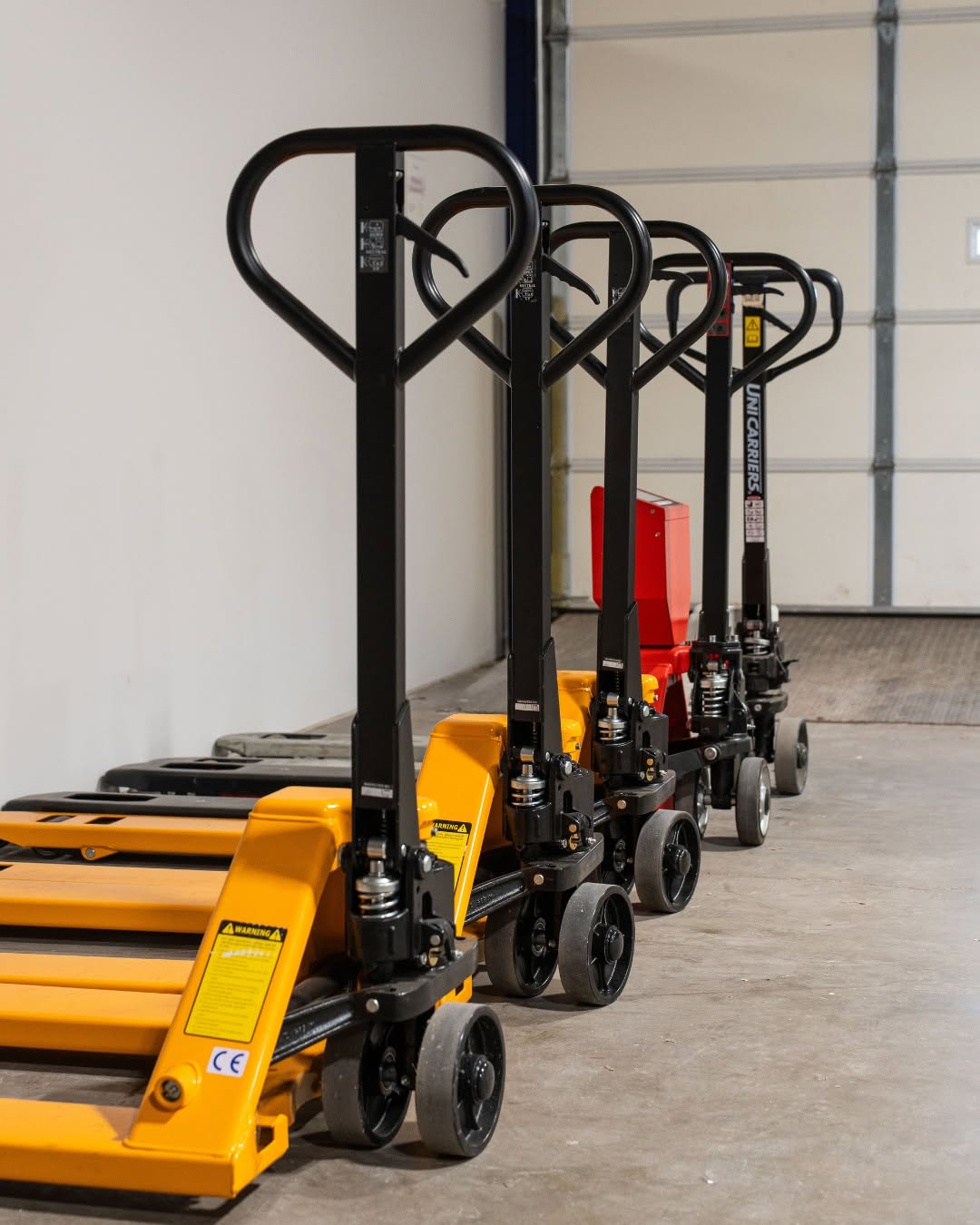
- Shared equipment on-site, like pallet jacks and carts, so a business isn't buying its own just to move freight from the dock to a shelf.
- Short-term or month-to-month terms. A multi-year commitment makes sense for an established operation, not a business still figuring out its space needs.
- Realistic proof-of-business requirements. Some landlords require financials that a newer or smaller business simply can't produce yet.
Frequently Asked Questions
What's the difference between loading dock space and regular warehouse storage? Loading dock space is built for receiving and shipping freight and pallets at truck-bed height, which matters for bulk materials and larger goods. Regular storage space may hold inventory but often lacks the infrastructure to move it efficiently in and out.
Do I need a large warehouse to get loading dock access in Des Moines? Not at Elevator. Loading dock access is included with warehouse bays regardless of size, rather than reserved for tenants leasing the largest units in the building.
Is loading dock space only useful for manufacturers? No. It's useful for any business receiving freight, pallets, or bulk materials, including furniture and home goods sellers, contractors, and larger-scale e-commerce operations, not manufacturers exclusively.
Do I need a long-term lease to access a loading dock at Elevator? No. Memberships are month-to-month, which is a meaningful difference from traditional industrial leases that often require multi-year commitments.
What size warehouse bays are available at Elevator's Des Moines location? Units range from smaller bays to larger suites, so a business can lease space sized to its current freight and inventory needs rather than committing to a much larger footprint.
Can a newer business get loading dock warehouse space without showing years of financials? At Elevator, yes. Unlike much of the traditional industrial market, which often requires proof of profitability before offering a shorter lease, month-to-month membership doesn't require that kind of financial history.
Ready to see the loading dock in person? Book a tour of our Des Moines location.

- Co-Warehousing for Startups in Lincoln, NE: A Smarter Way to Scale - September 22, 2026
- Affordable Warehouse Space in St. Louis, Missouri. - September 17, 2026
- Small Business Storage in Omaha That Actually Flexes With the Seasons - September 15, 2026