There's a specific moment almost every maker, product brand, or hands-on small business hits eventually: the dining room table is buried under inventory, the garage smells like packing tape, and the spare bedroom hasn't actually been a bedroom in months. It's not a failure — it's a normal stage of growth. More than half of small businesses in the U.S. still start at home, often because it's the cheapest way to get moving. But at some point, the home setup stops being the workaround and starts being the bottleneck.
That's usually when the search for workshop space for rent in Omaha begins. Here's what that kind of space actually needs to offer, and what to look for before you sign anything.
What Is Workshop Space, Exactly?
"Workshop space" sits in a specific gap between three more familiar options, none of which quite fit a growing product business:
- A storage unit holds your stuff, but you can't legally work in most of them, and there's no power, no internet, and no room to build or pack.
- A traditional office gives you a desk and a door, but nowhere to store inventory, stage orders, or get your hands dirty.
- A full industrial warehouse lease solves the space problem but usually requires a multi-year commitment and far more square footage than a small or early-stage business actually needs.
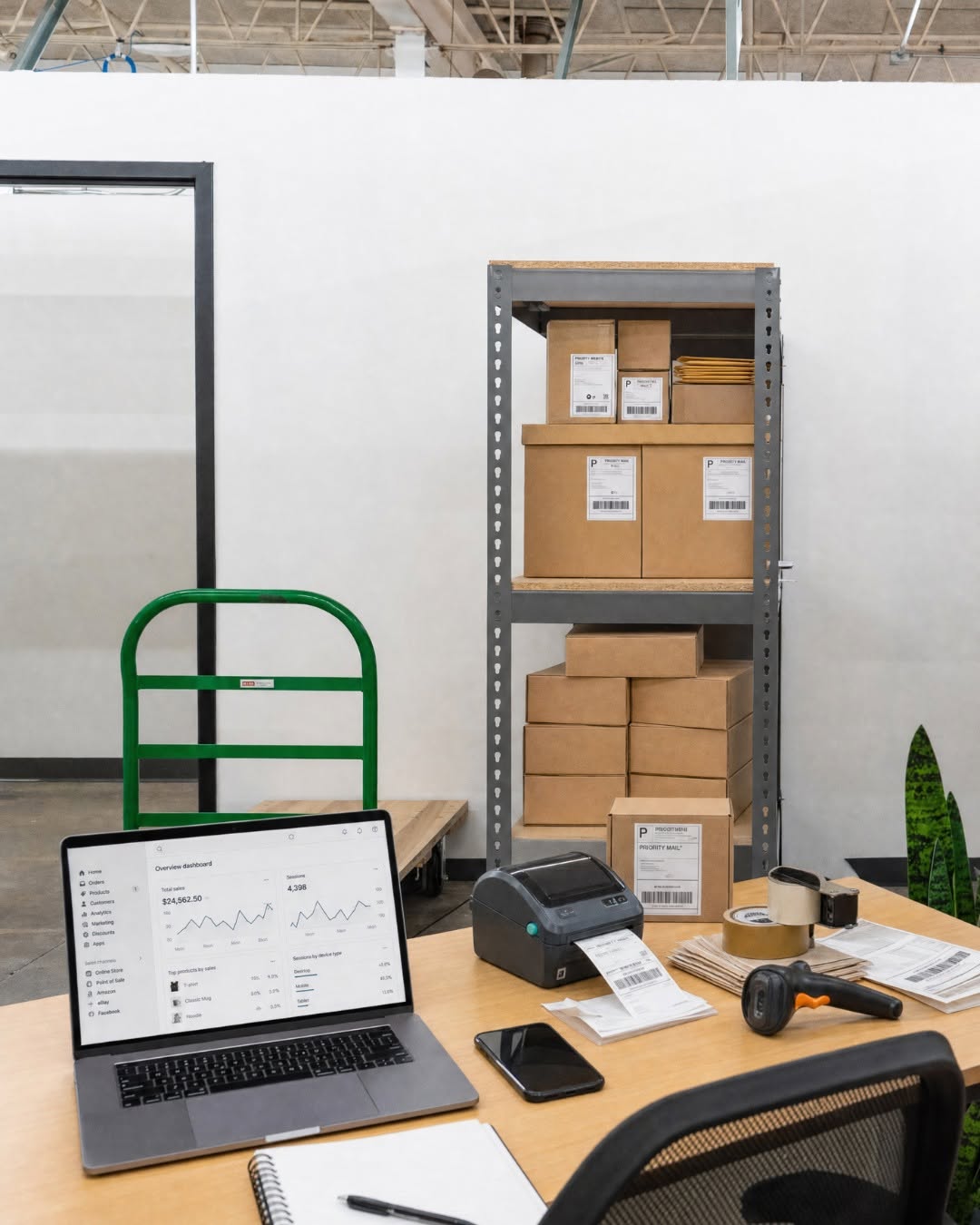
Workshop space is built to bridge that gap — a place where you can store materials, build or assemble product, and ship orders, without locking yourself into a footprint or a lease term sized for a much bigger company.
What to Look For in Workshop Space for Rent in Omaha
Not all "flexible workspace" is actually built for hands-on work. A few things separate real workshop space from a coworking desk with a fancy name:
- Loading dock or drive-up access. If you're moving inventory, pallets, or bulky materials, a front door and an elevator won't cut it.
- Room to actually work, not just store. You need floor space for assembly, packing, or production — not a closet you're paying warehouse prices for.
- Daily carrier pickup. UPS, FedEx, and USPS stopping by your unit instead of you hauling boxes to a drop-off point saves real time every week.
- 24/7 access. Product businesses don't run on a 9-to-5 schedule, especially around a launch or a seasonal rush.
- Flexible, month-to-month terms. Your space needs should be able to grow — or shrink — without a lease renegotiation.
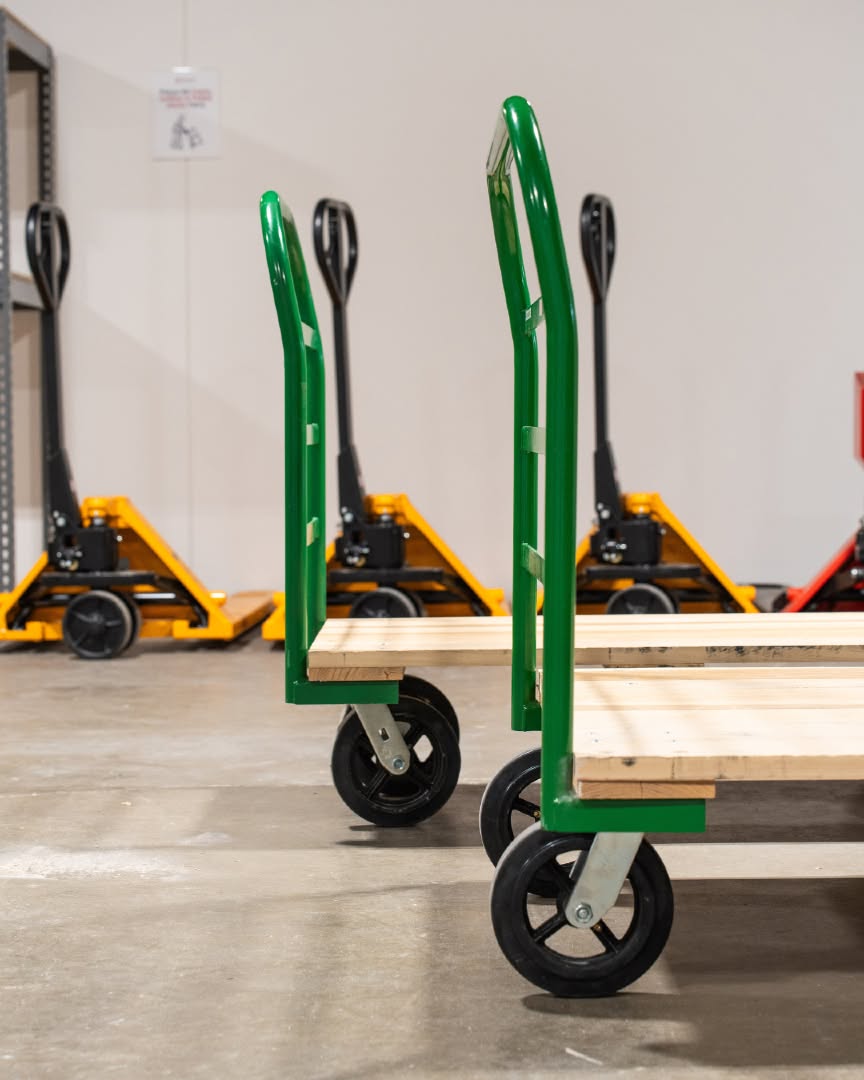
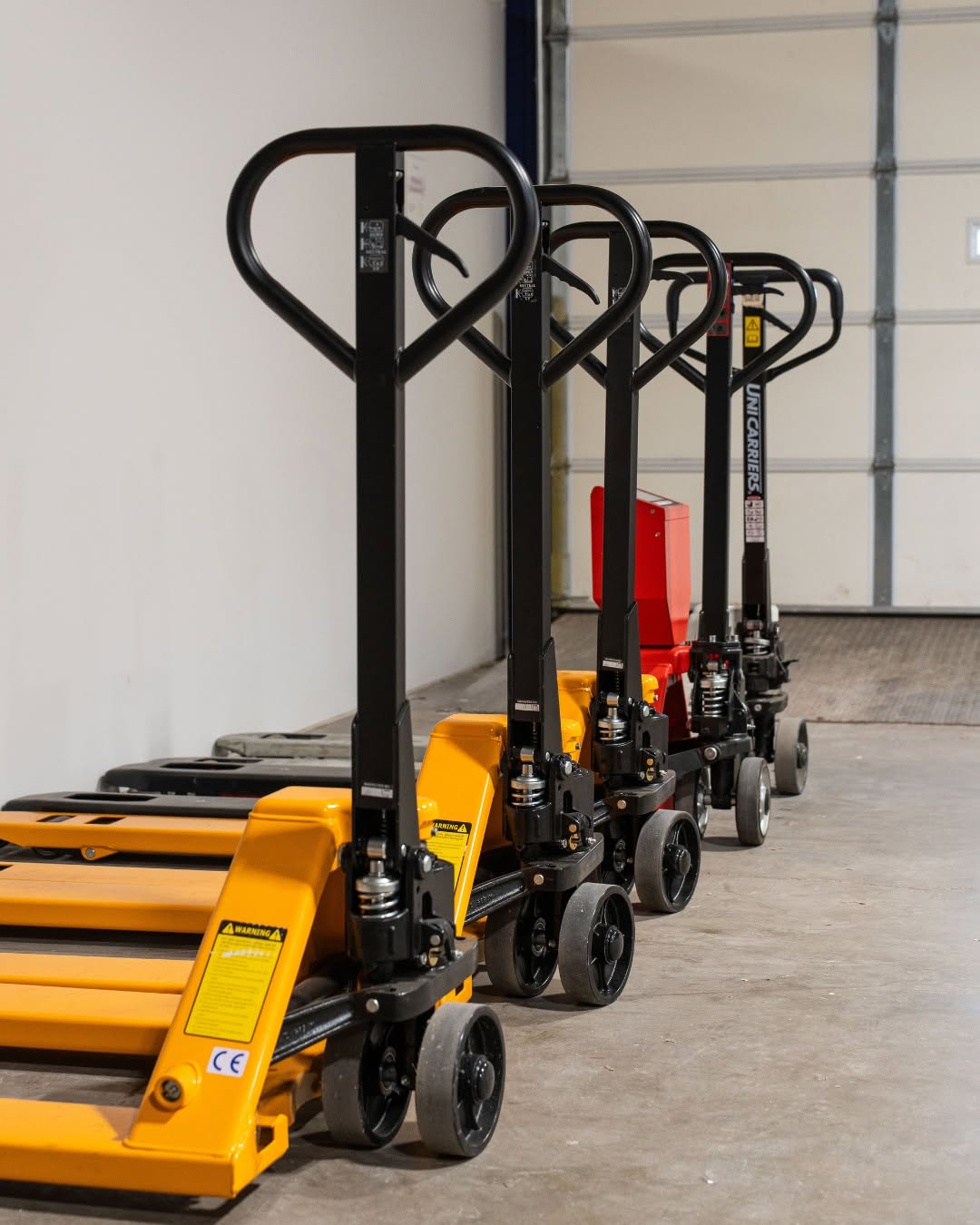
- Shared equipment on-site. Carts, pallet jacks, and dollies you don't have to buy or store yourself.
- A community of people who get it. Working around other product-based businesses tends to solve problems — sourcing, shipping, hiring — faster than working alone.
How Elevator's Omaha Location Fits
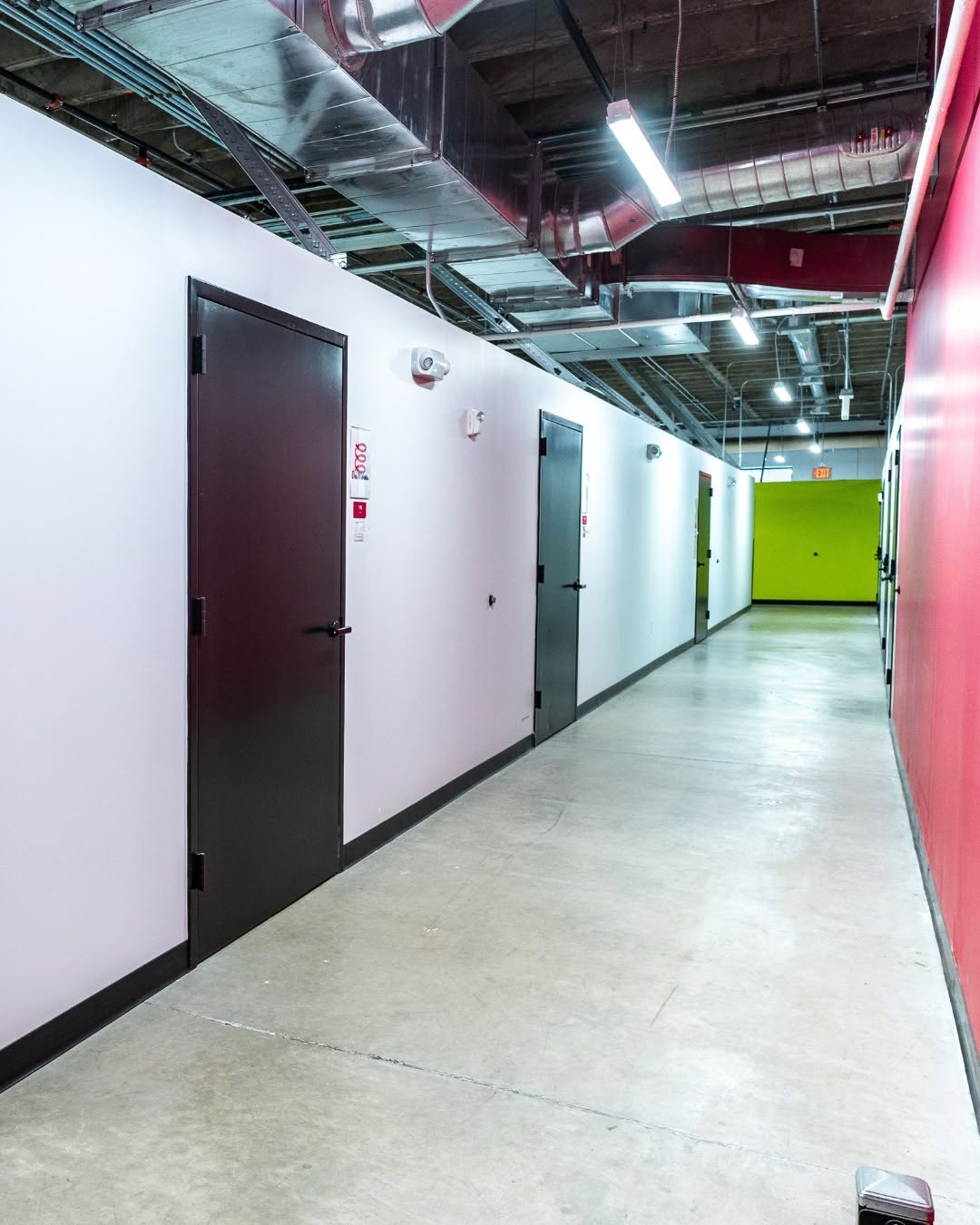
Elevator's Omaha location was built around this exact gap. The building sits in the historic Old Market warehouse district, and the warehouse bays inside it range from compact micro-units to larger suites — sized for everything from a one-person product brand to a small fulfillment operation, with loading dock access built in.
It's also, quite literally, a founder-built solution to this problem. When our co-founders built the Omaha location, one of them — Shannon Lerda — had already run her own e-commerce business, so the day-to-day mechanics of a product company (inventory that needs a home, orders that need to ship, work that needs somewhere to actually happen) weren't theoretical. They shaped how the space was laid out.
Members get amenities like daily carrier pickups and shared warehouse equipment — carts, pallets, and dollies included, so you're not buying and storing your own. Meeting rooms are bookable on-site for client meetings or team planning, so you don't need a second address just to sit down with someone face to face. And because everything runs month-to-month, you can size up or down as your business changes instead of guessing years in advance how much space you'll need.
If you're comparing warehouse and office workspaces more broadly — not just workshop-style space — it's worth reading our guide to flexible warehouse space for growing businesses for a wider breakdown of what's available.
Frequently Asked Questions
What's the difference between workshop space and a storage unit? A storage unit is for holding items — most facilities don't allow you to work inside them, and they typically lack power, internet, or climate control built for regular use. Workshop space is designed to be worked in daily: building, assembling, packing, and shipping, not just storing.
Can I ship products directly from workshop space in Omaha? At Elevator, yes. Members get daily pickups from UPS, FedEx, and USPS directly at their unit, so orders can ship without a separate trip to a carrier location.
Do I need a long-term lease for workshop space? Not at Elevator. Memberships are month-to-month, so you can adjust your space as your business grows or changes without being locked into a multi-year commercial lease.
What size workshop space is available in Omaha? Elevator's Omaha warehouse bays range from compact micro-units up to larger suites, so the space can scale with a business rather than forcing a one-size commitment on day one.
Ready to see it in person? Book a tour of Elevator's Omaha location and find the workshop space that actually fits how your business works.

- Co-Warehousing for Startups in Lincoln, NE: A Smarter Way to Scale - September 22, 2026
- Affordable Warehouse Space in St. Louis, Missouri. - September 17, 2026
- Small Business Storage in Omaha That Actually Flexes With the Seasons - September 15, 2026