We get some version of this question a lot at Elevator: why is Omaha such a good place to base a growing, physical-product business? Part of the answer is us — but a bigger part of it is Nebraska itself, and most people searching for warehouse space here don't realize how much that matters.
Here's what we mean. Union Pacific, the largest railroad in North America, has run its headquarters out of downtown Omaha for decades. Werner Enterprises, one of the largest truckload carriers in the country, has been headquartered here since 1956. We didn't end up in a city with two of the biggest names in American freight by accident — Omaha sits right where Interstate 80, the transcontinental highway running from San Francisco to New Jersey, meets Interstate 29, the north-south corridor that connects Kansas City up through Sioux Falls and into the Dakotas. Our own I-680 loop ties the whole system together on the west side of the metro. That junction is exactly why the big carriers built their operations here, and it's a big part of why we did too.
We don't think that advantage should belong only to companies with their own trucking fleets. A one-person e-commerce brand or a growing product business isn't competing with Union Pacific for space, and it doesn't need to — but it still benefits from operating in a metro this logistics-dense. That's the whole idea behind what we've built at Elevator, and it's worth understanding before you start comparing warehouse space in Omaha.
What Being in a Logistics-Dense Metro Actually Gets You
We hear from members constantly that these things matter more once they're actually running a business here, not just reading about it:
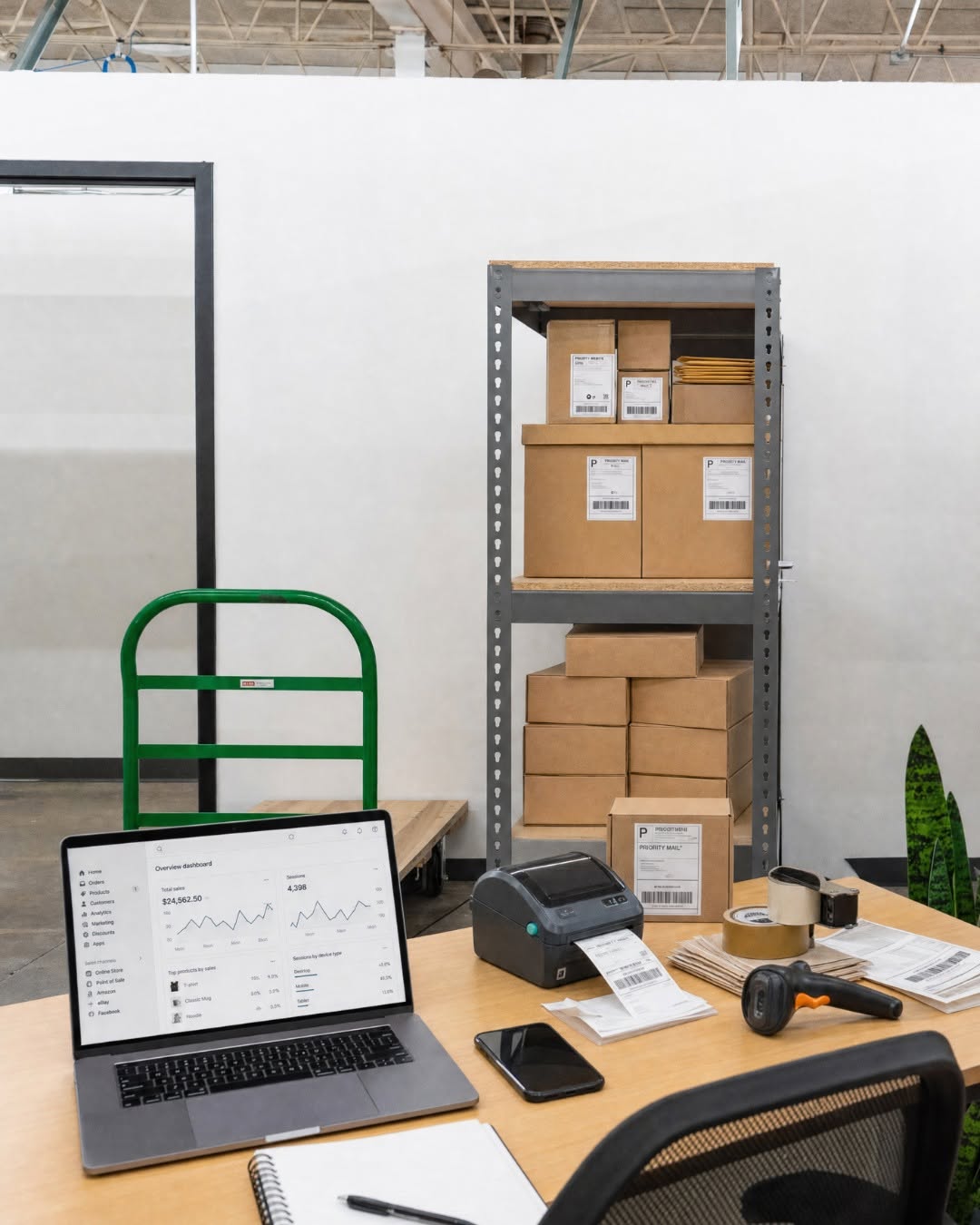
- Carrier density and reliability. In a city built around freight, UPS, FedEx, and USPS routes are well-established. That's part of why we're able to offer daily pickups as standard practice, not a special request.
- A workforce that understands logistics. Between Union Pacific, Werner, and the broader trucking and warehousing sector, we're pulling from a labor pool that's genuinely fluent in shipping, inventory, and fulfillment work.
- Interstate access that shortens delivery windows. Being on the I-80/I-29 corridor means product moving out of our Omaha location can reach major Midwest and Mountain West markets without the detours a less-connected city would require.
- A business culture that takes physical goods seriously. Vendors and service providers around us are used to working with businesses that ship, store, and handle inventory — it's not the niche request it might be somewhere built entirely around office work.
None of that requires operating at industrial scale. It just means we're building on infrastructure that's already pointed in the right direction.
We Didn't Pick This Neighborhood by Accident, Either
There's a piece of this story we like telling members: Omaha's role as a distribution point for the Midwest didn't start with modern trucking. It goes back to 1869, when the completion of the transcontinental railroad turned the city into a major rail hub almost overnight. Our own location sits in the Old Market — a neighborhood that grew directly out of that moment. By the late 1800s, it was Omaha's primary wholesale produce and grocery market, packed with the same kind of red-brick warehouse buildings that still line the streets around us today. Produce dealers, jobbers, and wholesalers ran their operations out of this exact neighborhood for decades before it declined mid-century and was later revitalized into the restaurants and shops it's known for now.
We think that history is worth knowing, because it means our warehouse bays aren't sitting in converted office space or a repurposed strip mall — they're in a building type that was doing this same job, in this same neighborhood, well over a century before we moved in.
What We'd Tell You to Look For in Warehouse Space in Omaha
Citywide advantages only matter if the specific space delivers on them. Here's what we think is worth checking before you sign anything, wherever you end up:
- Proximity to the interstate system. A warehouse a few minutes from I-80 or I-680 saves real time on every outbound shipment, especially if you're fulfilling orders daily.
- Loading dock or drive-up access. Moving pallets or bulk inventory through a standard office door isn't sustainable once volume picks up.
- Daily carrier pickup at the unit. Not a drop-off point across town — pickup at your actual space.
- Flexible lease terms. A month-to-month or short-term commitment matters more for a growing business than a lower per-square-foot rate on a five-year lease.
- Right-sized units. Space that scales from a few hundred square feet up to a full suite means you're not paying for capacity you don't need yet.
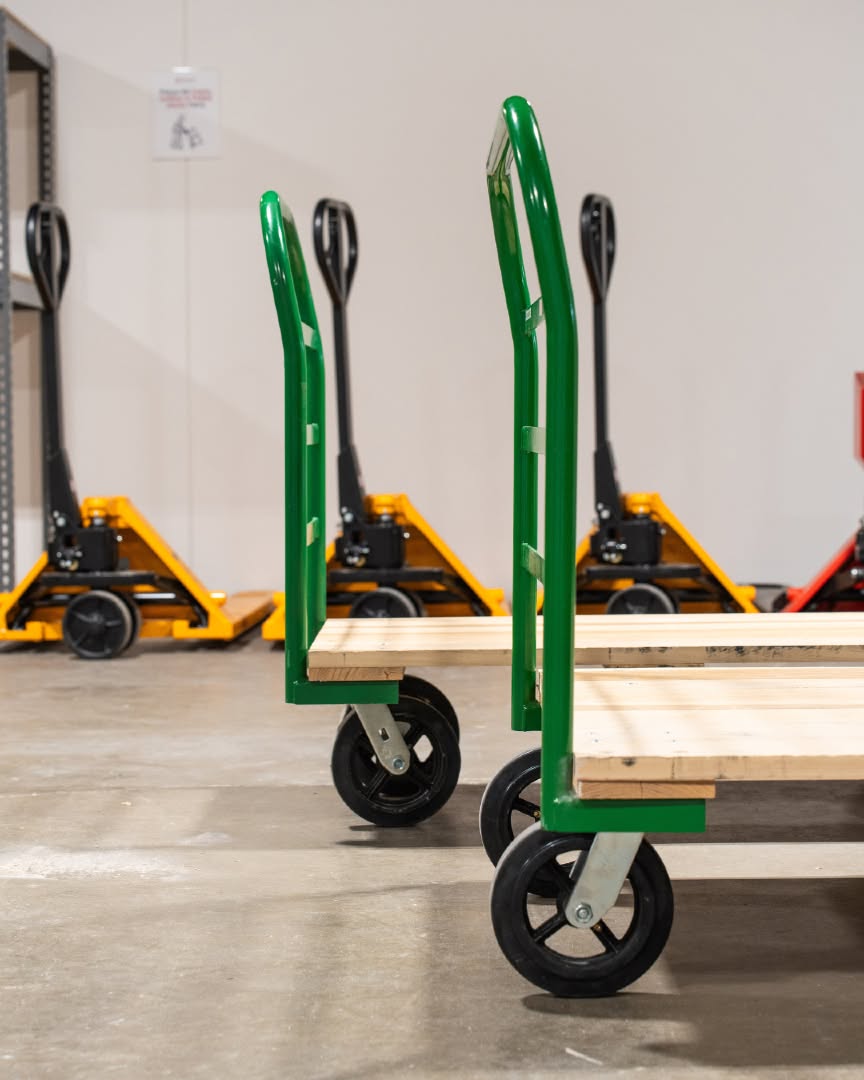
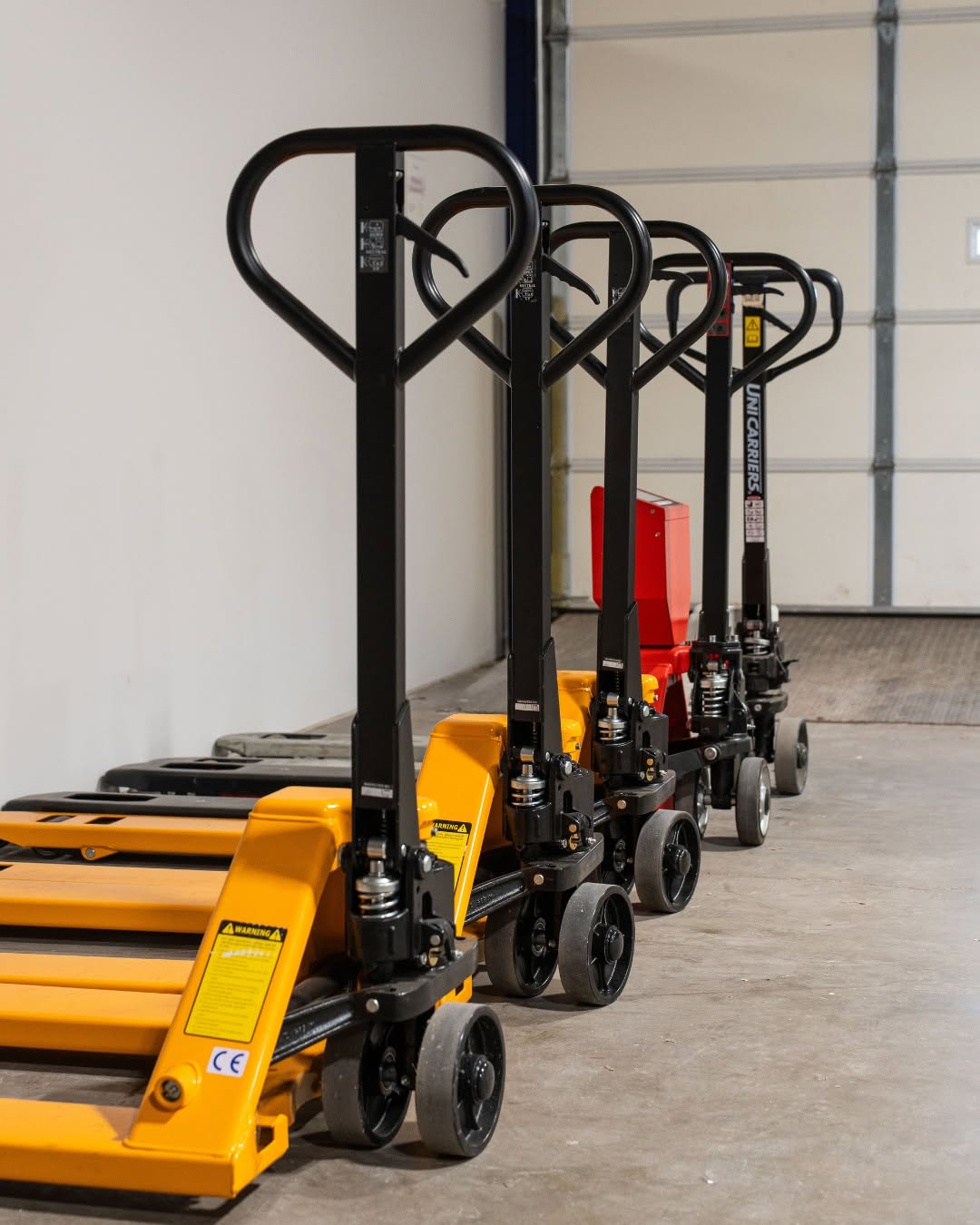
- Shared equipment and support. Carts, pallet jacks, dollies, and — ideally — a community of other product-based businesses who've already solved the shipping and sourcing problems you're working through.
How We've Built This Into Elevator's Omaha Location
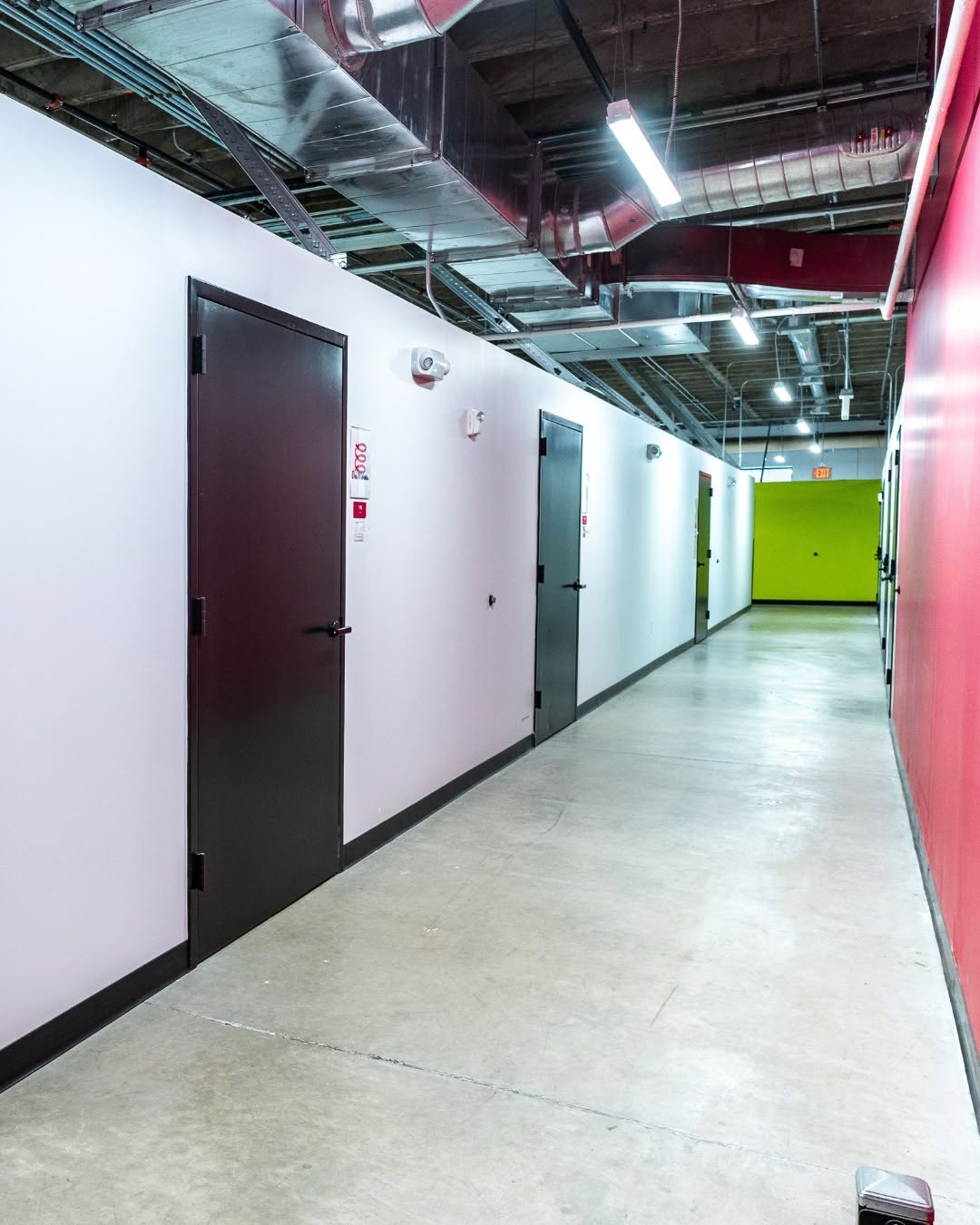
Our warehouse bays range from compact micro-units to larger suites, with loading dock access built in, so you can start small and scale up instead of committing to more space than you need on day one. Members get daily pickups from UPS, FedEx, and USPS directly at their unit — a perk that's a lot easier for us to offer reliably given how established carrier infrastructure already is in this metro. Add in shared warehouse equipment, 24/7 secure access, bookable meeting rooms for client conversations, and a flat monthly rate that covers utilities, and what you get is Omaha's logistics advantage sized for a small or growing business instead of a national carrier.
Everything at Elevator runs month-to-month, so you can add space during a busy season and scale back afterward without renegotiating a lease. If you want a broader look at warehouse and office workspaces beyond what we've covered here, check out our full breakdown of warehouse space in Omaha, NE.
Frequently Asked Questions
Why is Omaha considered a logistics hub? Omaha sits at the junction of Interstate 80 and Interstate 29, and is home to the headquarters of both Union Pacific Railroad and Werner Enterprises — two of the largest transportation and logistics companies in the country. It's also why Nebraska has quietly become one of the country's logistics strongholds more broadly, well beyond just Omaha.
Do I need to be a large company to benefit from Omaha's logistics infrastructure? No. While the interstate access and carrier density in Omaha primarily support large freight operations, the same infrastructure — reliable carrier pickups, a logistics-experienced workforce, and strong interstate access — benefits small businesses shipping product at a much smaller scale, which is exactly who we built Elevator for.
What size warehouse space is available in Omaha, Nebraska? At Elevator, our warehouse bays range from compact micro-units to larger suites, so you can start small and expand as inventory or order volume grows.
Is warehouse space in Omaha available without a long-term lease? Yes, at least with us — our memberships are month-to-month, so you're not locked into a multi-year commercial lease to get warehouse space.
Is Omaha's Old Market district actually zoned for warehouse use, or is it mostly restaurants and shops today? Both, in a sense. Ground-level storefronts in the Old Market are largely restaurants, galleries, and retail today, but the neighborhood is still made up of the same red-brick warehouse buildings built for wholesale and produce distribution — including ours, which continues to function as working warehouse and office space rather than being converted entirely to retail use.
Curious what Nebraska's logistics advantage looks like at small-business scale? Book a tour of our Omaha location and see the warehouse bays in person.

- Co-Warehousing for Startups in Lincoln, NE: A Smarter Way to Scale - September 22, 2026
- Affordable Warehouse Space in St. Louis, Missouri. - September 17, 2026
- Small Business Storage in Omaha That Actually Flexes With the Seasons - September 15, 2026