Every so often we sit down with an Omaha entrepreneur to talk through what it actually looks like to run a physical-product business day to day — not the pitch-deck version, the real one. This time we talked with Jacob Hammes, who runs Croc Enterprises, a small dirt bike and powersports dealership he's operated out of his home for the past two years. Jacob isn't an Elevator member yet, but he's toured our Omaha location and knows people who work out of it, and he's been weighing whether it's the right next step as his business grows. We asked him to walk us through what he sells, what's actually hard about doing it from home, and what would change if he had access to real warehouse space.
Tell us about Croc Enterprises. What do you actually sell?
"I sell small dirt bikes and ATVs, mostly for kids — 50cc gas models on both. But the bigger shift for me lately has been electric. I carry 48-volt, 60-volt, and now 72-volt electric dirt bikes too, and that side of the business has grown a lot faster than I expected."
Why has electric taken off the way it has?
"Honestly, it's the noise and how easy they are to ride. A gas bike has a clutch, and if a kid's never ridden before, that's a real learning curve — stalling it, popping it, all of that. An electric bike, you twist the throttle and go. No clutch, no gas smell, and it's quiet enough that neighbors don't notice. That combination has made it way more approachable for a lot of families than a traditional gas bike ever was."
That tracks with what's happening industry-wide, too — electric dirt bikes are on track to be the fastest-growing segment of the off-road vehicle market over the next several years, driven by exactly the reasons Jacob described: less noise, easier learning curve, and tightening regulations on gas-powered models in some markets.
How does someone actually buy a bike from you right now?
"Almost everything goes through Facebook Marketplace locally. I post the bike, someone messages me, and they come to my house to pick it up. I do sell a smaller amount online too, but the bulk of it is local."
How many bikes are you moving in a typical week?
"It varies, but I'm usually moving multiple bikes a week between the gas and electric side combined. It's not huge volume compared to a real dealership, but it's enough that space becomes a real issue — bikes waiting to be assembled, bikes waiting to be picked up, parts and accessories piling up in between."
What's the hardest part about running it that way?
"People coming to my actual house is the biggest one. I've got strangers pulling into my driveway multiple times a week to buy a bike, and it's fine, but it's not exactly a professional setup. There's no showroom, no real place to let someone look at a couple options side by side. It's just whatever's parked in my garage that day."
You mentioned assembly earlier — what does that look like?
"I assemble and prep every single bike myself before it goes out. That takes space and it takes tools — a workbench, room to actually put a bike together without tripping over the last one I built. Right now that's all happening in my garage too, alongside everything else."
What would change for you with a space like Elevator's?
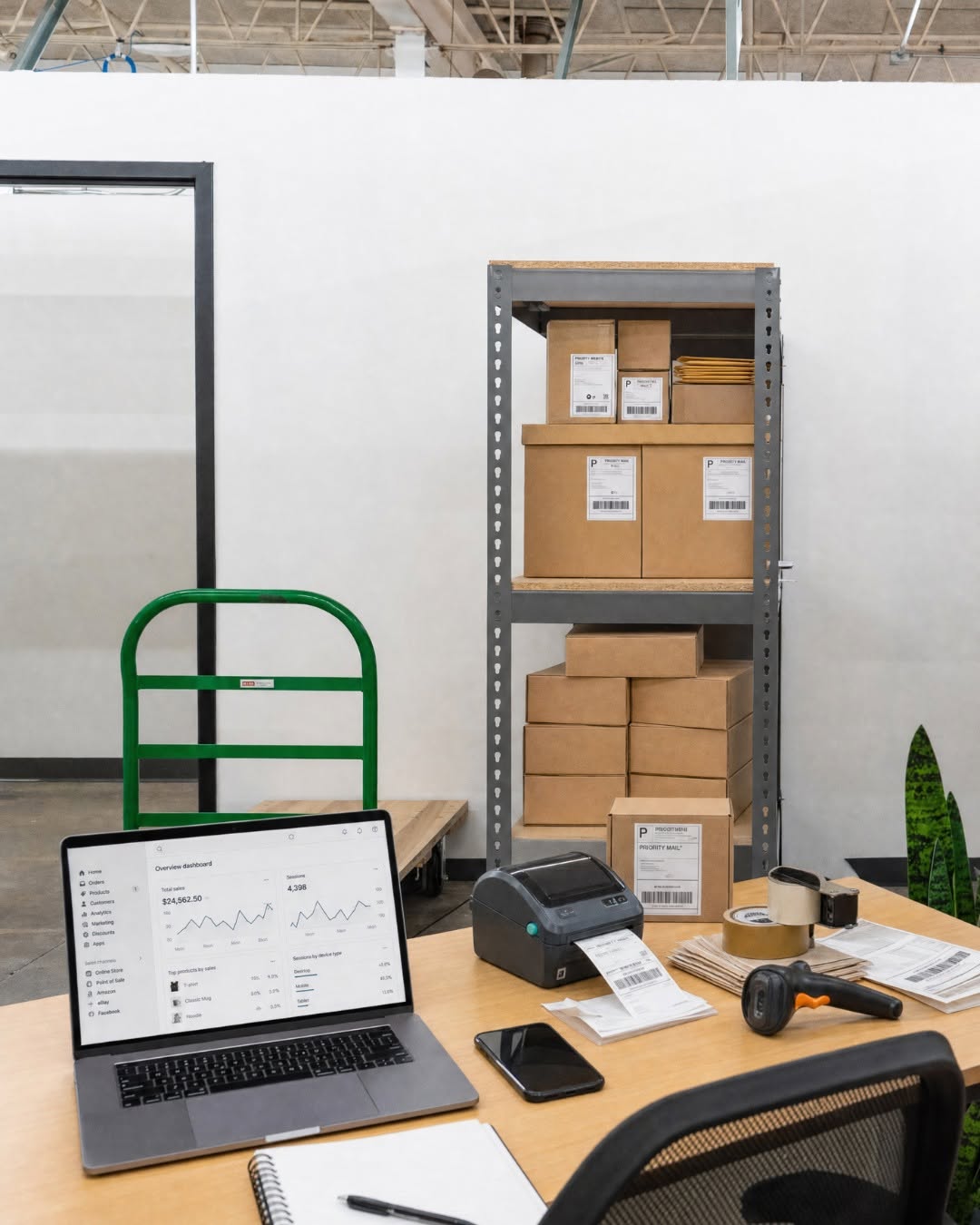
"A few things, honestly. The biggest one is having somewhere other than my house for people to come look at bikes — something closer to an actual storefront instead of a stranger showing up at my door. But the shipping side matters too. For the bikes I sell online, right now I'm the one driving boxes to a UPS store. If I had a space with a loading dock and pickups, that's just gone as a problem."
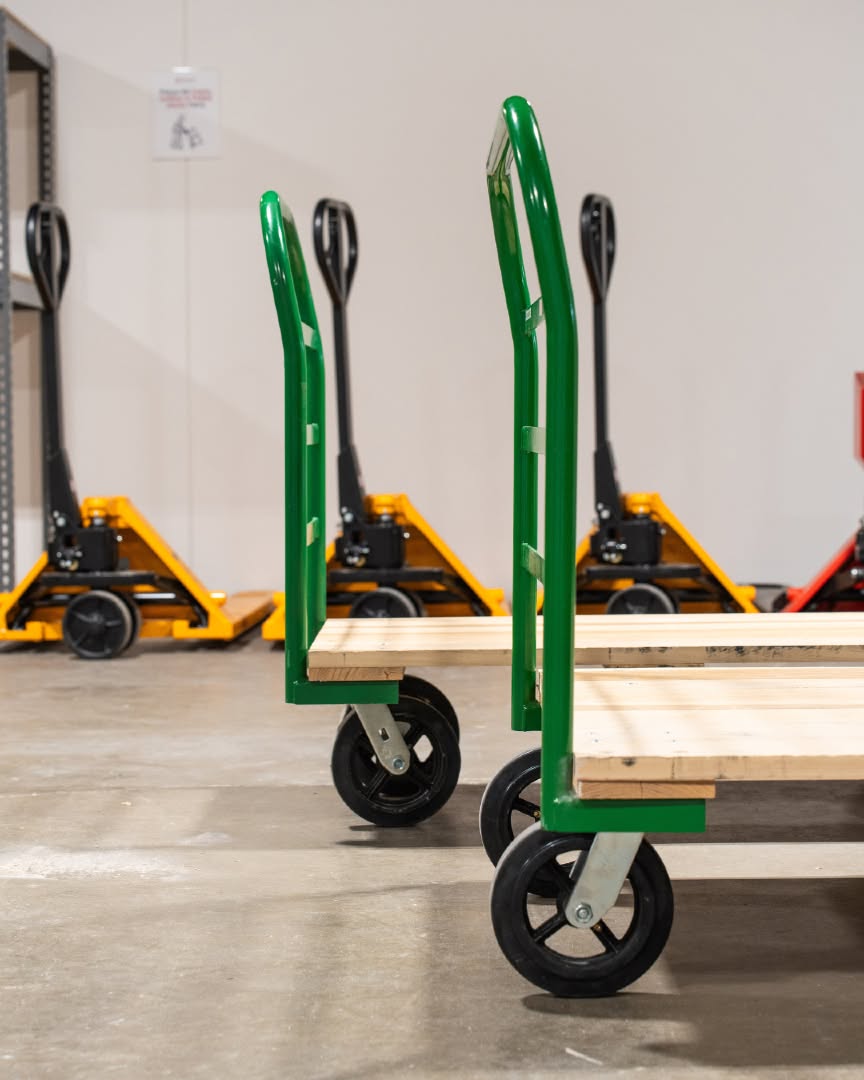
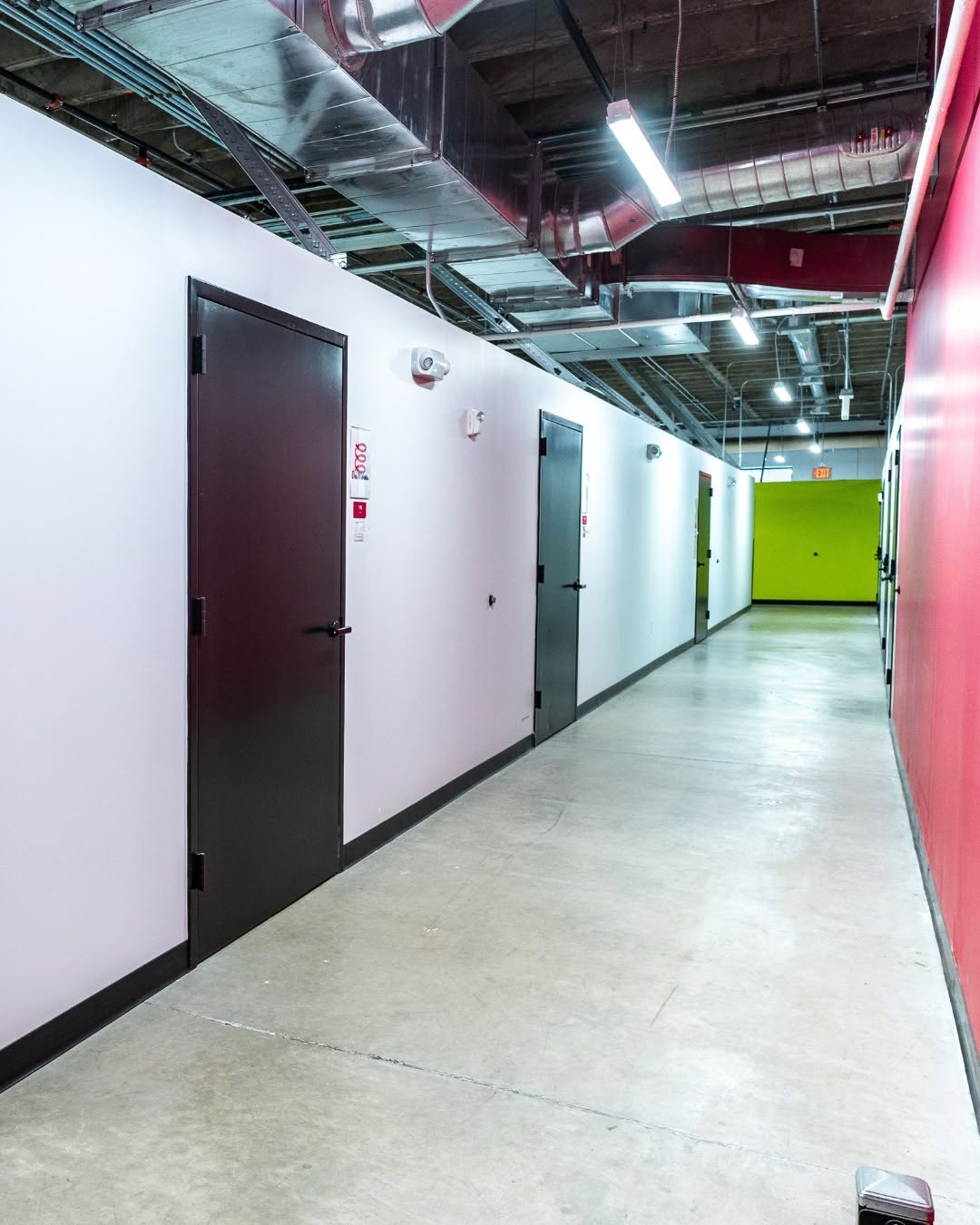
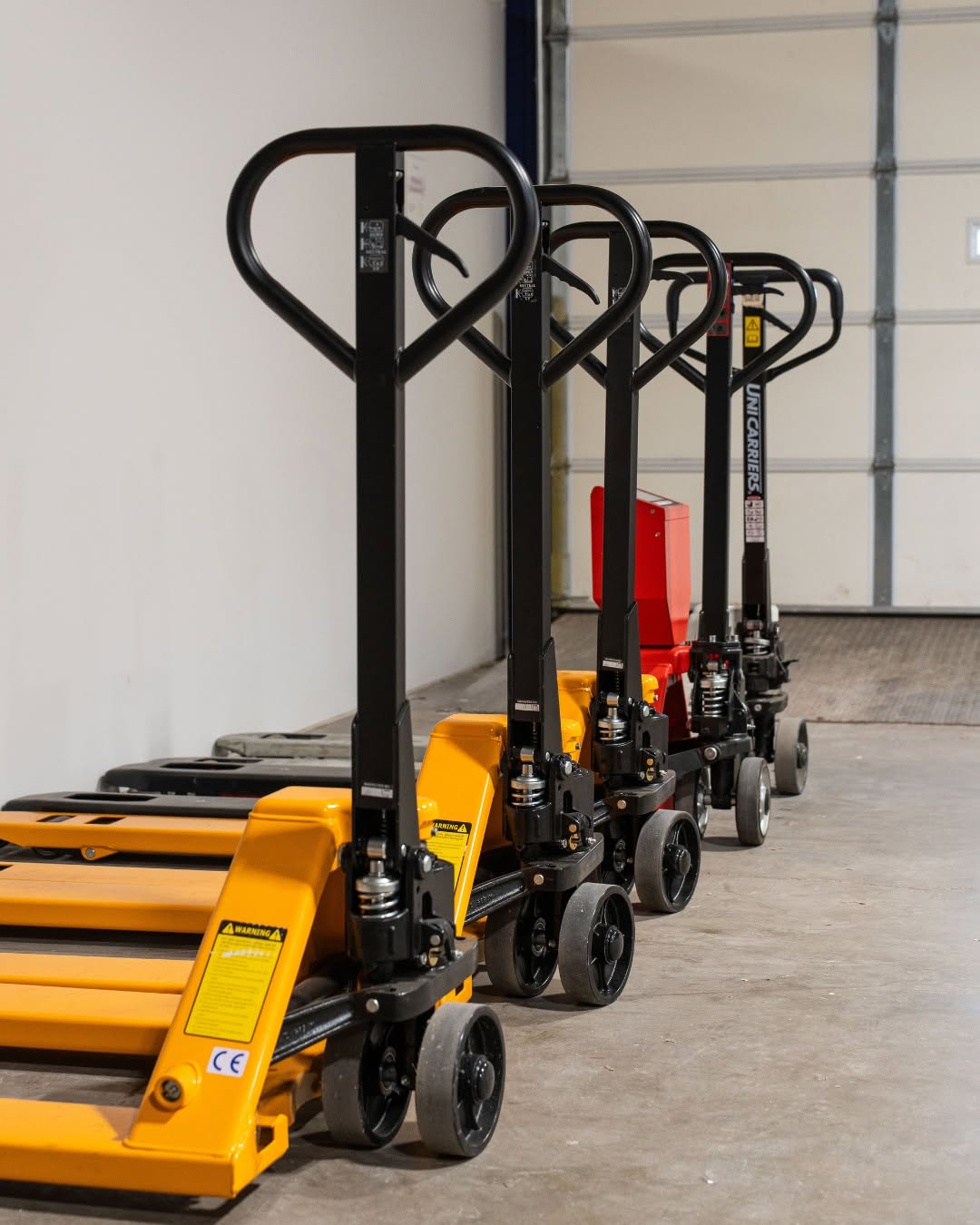
That's a real gap Elevator was built to close. Our Omaha location gives members access to loading docks, daily carrier pickups, and shared warehouse equipment — UPS, FedEx, and USPS come to the building, so a business shipping bikes, parts, or accessories isn't making a separate trip every time an online order goes out. For local sales, having a dedicated space also means buyers aren't walking through someone's actual home to look at a bike — there's a real, professional place to meet instead.
The assembly side matters just as much. Warehouse bays give a business like Croc Enterprises room to actually build and prep inventory, not just store it, which is exactly the gap what we've written about workshop space in Omaha gets into in more depth.
Have you thought about what happens if the business keeps growing?
"Yeah, actually. If I ever got to a point where it made sense to expand to another city, the fact that Elevator's got locations in Des Moines, Lincoln, Kansas City, and St. Louis is a pretty big deal to me. I wouldn't have to start over somewhere new looking for a completely different setup — it'd already be the same model I'm used to."
That's one of the things we think about with every member, not just the ones scaling immediately. A membership isn't tied to a single building — if Croc Enterprises ever expanded into another market, the same warehouse-plus-office model would already be waiting there, without Jacob having to learn a new setup or renegotiate a new lease from scratch in an unfamiliar city.
Jacob hasn't made a final decision yet, and we're not going to pretend otherwise — running a business out of a garage for two years builds habits that aren't easy to change overnight, even when the case for changing them is a strong one. But talking through it made something clear that applies well beyond one dirt bike dealership: a lot of the friction in growing a physical-product business isn't the product itself. It's the logistics sitting quietly underneath it — where things get built, where they get picked up, and where a stranger has to go to hand over cash for a bike.
Frequently Asked Questions
Can I ship inventory directly to a warehouse space at Elevator instead of my home address? Yes. Members can have inventory and shipments delivered directly to their unit rather than a personal address, which also means daily carrier pickups happen on-site.
Does Elevator's Omaha location have a loading dock? Yes, our Omaha location includes loading dock access for members who need to receive or ship larger shipments.
Can I use warehouse space at Elevator to assemble or prep product, not just store it? Yes. Warehouse bays are built for hands-on work — assembly, packing, and prep — not just storage, with shared equipment like carts and pallet jacks available on-site.
Can I meet local buyers or customers at Elevator instead of my home? Yes. Members can use shared or private space to meet clients and customers on-site, which offers a more professional setting than a home address.
If my business grows, can I move to a different Elevator location? Elevator operates in five Midwest cities — Omaha, Des Moines, Lincoln, North Kansas City, and St. Louis — all under the same flexible, month-to-month model, which makes expanding into a new market more straightforward than starting from scratch.
Curious whether a space like this fits your business? Book a tour of our Omaha location and see it for yourself.

- Co-Warehousing for Startups in Lincoln, NE: A Smarter Way to Scale - September 22, 2026
- Affordable Warehouse Space in St. Louis, Missouri. - September 17, 2026
- Small Business Storage in Omaha That Actually Flexes With the Seasons - September 15, 2026