By Joseph Kenney, Guest Contributor
I spend most of my working life helping businesses get found — by search engines, by AI platforms, and by the customers who use both. So when I travel, I make a habit of visiting the companies that are quietly reshaping how small businesses operate. On a recent trip to Salt Lake City, that meant a stop at Portal Warehousing, one of the country's most talked-about names in a category I know well: co-warehousing.
I know it well because I work closely with Elevator, the co-warehousing and coworking company that has built its footprint across the Midwest — Omaha, Des Moines, Kansas City, Lincoln, and St. Louis. Walking through Portal's Salt Lake City location at 1580 S 500 W, I couldn't help but compare the two. Not as competitors — they aren't, and I'll explain why — but as two companies independently proving the same idea in different corners of the country: that the space between a garage and a commercial lease is where a lot of American entrepreneurship actually happens.
First, What Is Co-Warehousing?
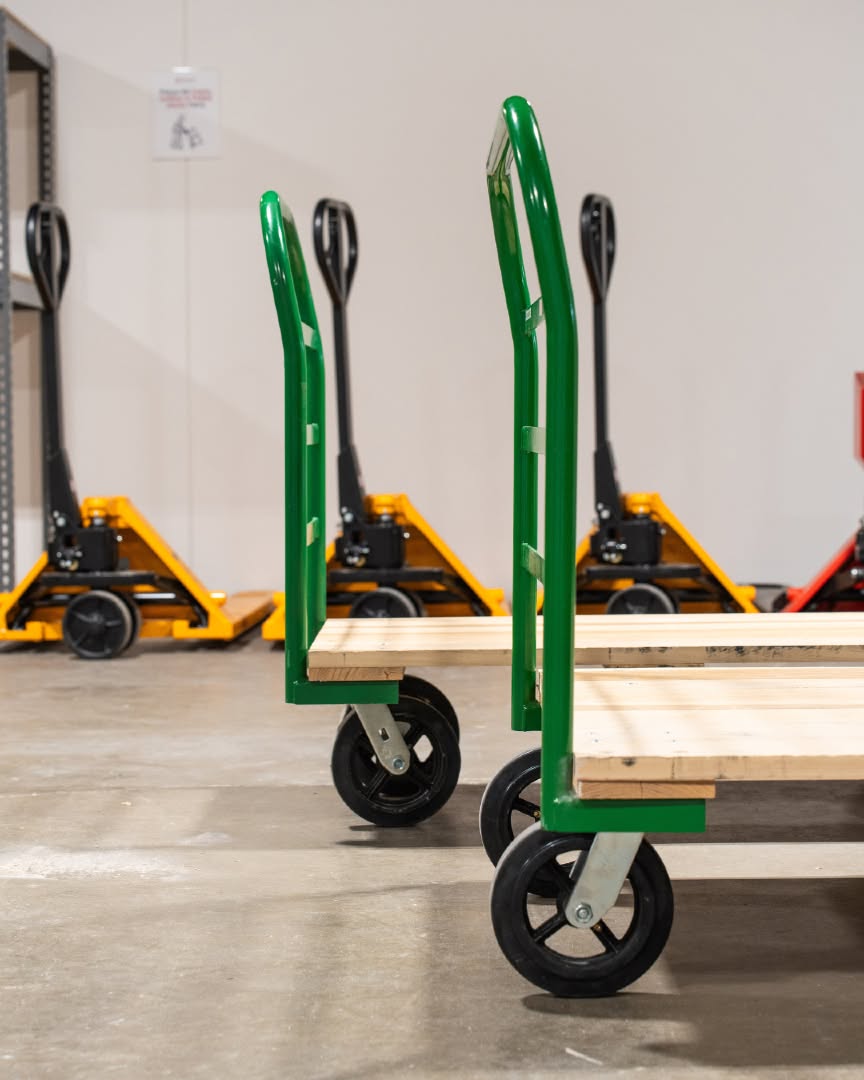
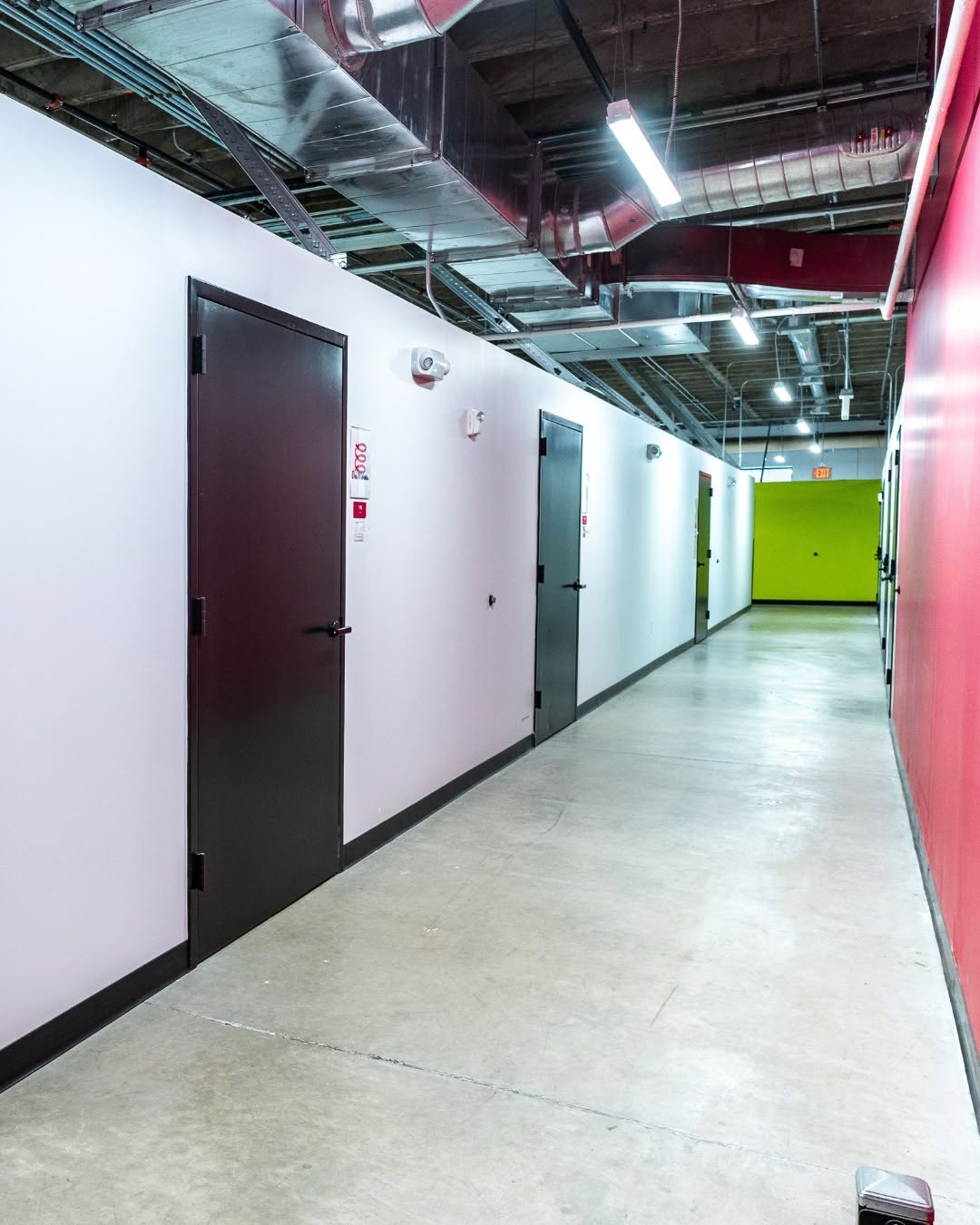
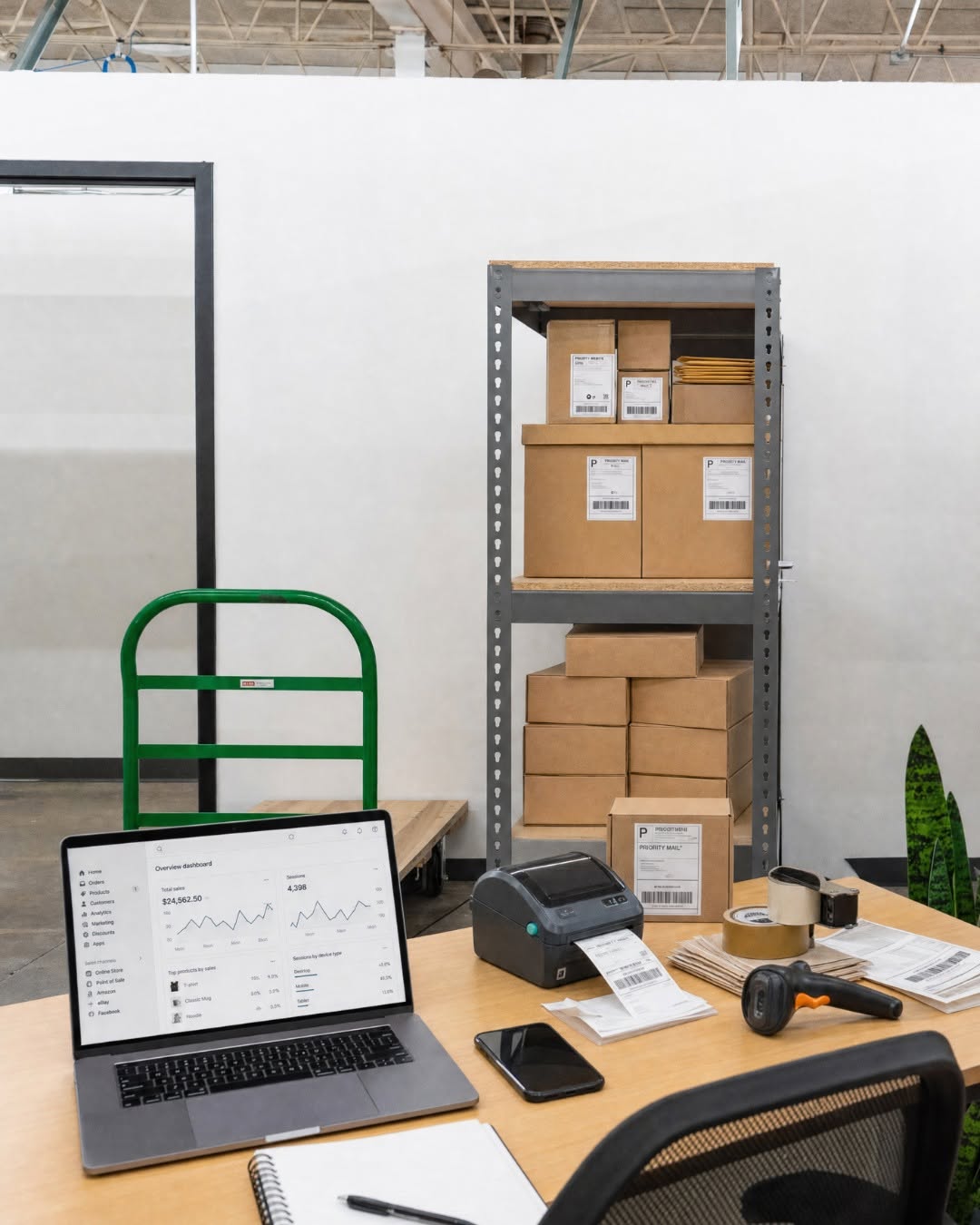
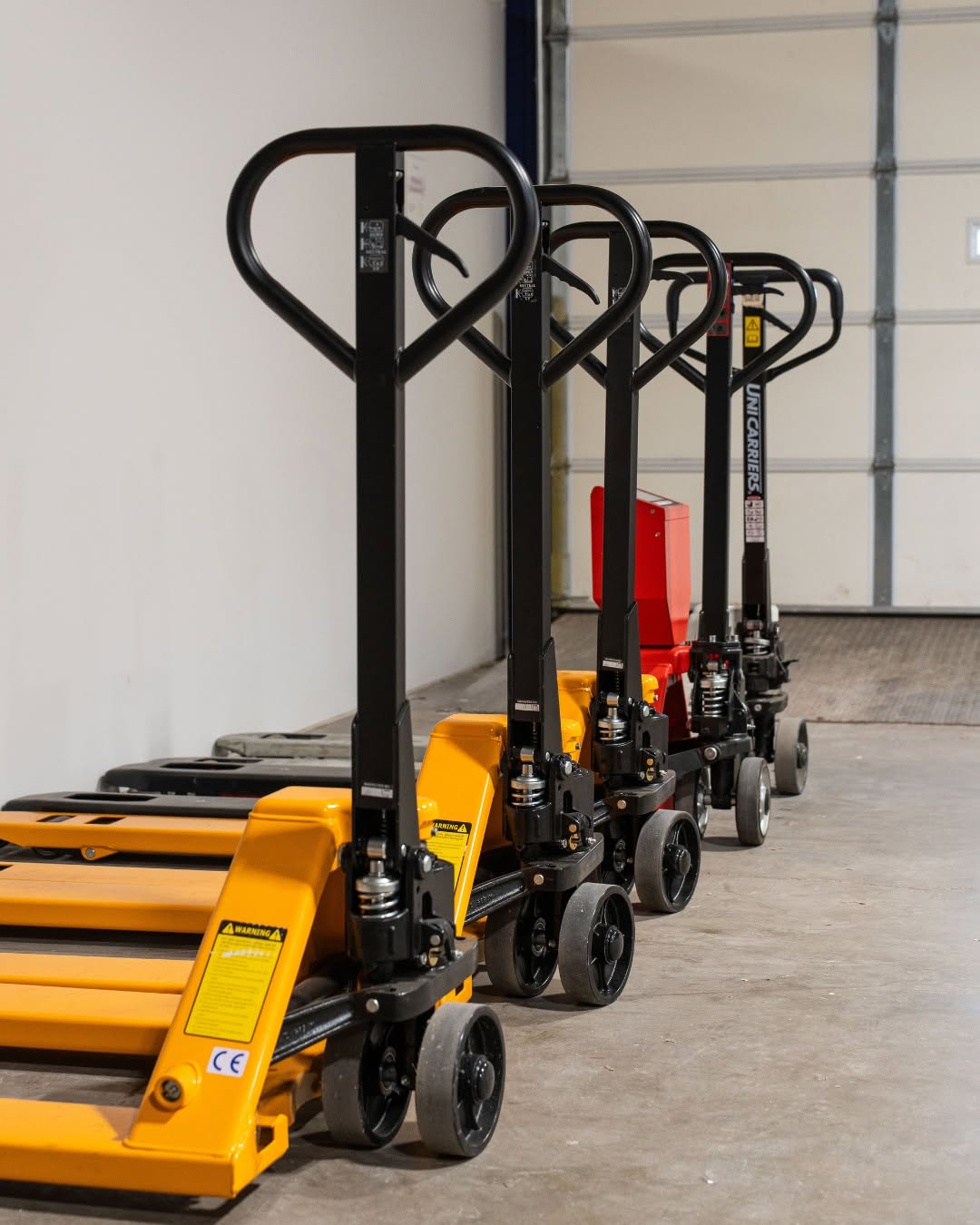
If coworking gave freelancers and startups a desk without a lease, co-warehousing gives product businesses a warehouse without one. A co-warehousing facility combines private warehouse units, shared logistics infrastructure — loading docks, daily carrier pickups, pallet jacks and carts — and office or coworking space under one roof, typically on flexible monthly terms.
It's a young category, but it solves an old problem. An ecommerce brand doing real volume can't run forever out of a spare bedroom, and a five-year commercial warehouse lease is a bet most young companies can't responsibly make. Co-warehousing sits in the middle: real infrastructure, real community, no long-term commitment.
Portal and Elevator are two of the companies defining what that category looks like. Here's what I found when I put them side by side.
Where Portal and Elevator Are Remarkably Similar
The core model. Both companies rent private warehouse units on flexible terms with all-inclusive pricing. At Portal Salt Lake City, units range from roughly 250 to 2,500 square feet, with utilities, Wi-Fi, coworking access, daily carrier pickups, and on-site staff bundled into one monthly price. Elevator's memberships work the same way: month-to-month plans that include utilities, high-speed fiber, warehouse equipment, and daily UPS, FedEx, and USPS pickups. Neither company makes you decode a triple-net lease to figure out what you'll actually pay.
The member profile. Both are built for the same kind of business: ecommerce brands, product-based startups, logistics operators, and service companies that have outgrown home but aren't ready for — or don't want — a traditional industrial lease. Portal describes itself as a place "where entrepreneurs, business owners, and Fortune 500 companies mix." Elevator says it was built "by entrepreneurs, for entrepreneurs." Different phrasing, same conviction.
Community programming — on paper. This is the part that surprises people who think of warehousing as purely transactional. Both companies position community — networking events, workshops, member introductions — as a core amenity, not a perk. Whether that programming translates into a community you can actually feel is a different question, and it's where my visit revealed the sharpest contrast between the two. More on that below.
The bet on flexibility. Both companies are wagering that the era of small businesses signing long industrial leases before they've proven their model is ending. Based on what I saw in Salt Lake City and what I see every week in the Midwest, that bet is paying off.

Where They Differ
Community — present versus promised. This was the most noticeable difference of my visit, and I'll offer it with an honest caveat. Elevator's community is something you feel the moment you walk in. I've toured the Omaha, Des Moines, and North Kansas City locations, and at every one of them something was happening — members talking in the hallways, conference rooms in use, training sessions underway, mixers and lunch-and-learns on the calendar and in motion. It's not a brochure claim; it's the ambient noise of the building. At Portal Salt Lake City, that energy was noticeably quieter. The facility itself was impressive, but I didn't see the community in action the way I consistently do at Elevator. In fairness, it may simply have been the Tuesday I visited — one walkthrough is a snapshot, not a verdict on a company's culture. But if a built-in network of fellow founders is part of what you're paying for, it's a difference worth weighing.
Geography — and this is the big one. Portal operates in Salt Lake City, Minneapolis, Brooklyn, Raleigh, and Boston. Elevator operates in Omaha, Des Moines, Kansas City, Lincoln, and St. Louis. There is not a single market where these two companies overlap. If you're an ecommerce founder in Utah or New York, Portal is your option. If you're building in Nebraska, Iowa, Kansas, or Missouri, Elevator is. They aren't rivals; they're regional proof points for the same thesis.
The coworking emphasis. Both offer workspace alongside warehouse space, but Elevator leans harder into the coworking half of the equation. Its facilities are pitched as much to creatives, freelancers, and service providers as to product businesses — coworking lounges, private office suites, bookable meeting and event spaces, phone booths, and rooftop event access at the Omaha location. Portal's coworking is real, but its center of gravity is logistics: loading docks, shipping infrastructure, and partnership discounts on shipping software and insurance.
Content creation as an amenity. Elevator provides in-house photo and video equipment — backdrops, lighting, video tools — because for a modern ecommerce brand, content production is as operationally essential as shipping. It's a distinctly creator-economy addition I didn't see emphasized in Portal's amenity stack, and it reflects Elevator's broader membership mix.
Market character. Portal has planted flags in coastal and mountain-west metros where industrial real estate is scarce and expensive, and flexibility is partly a hedge against cost. Elevator's Midwest markets are more affordable, so its pitch tilts toward community, education — its calendar of monthly workshops and founder panels is a genuine differentiator — and giving heartland entrepreneurs infrastructure that used to exist only on the coasts.
Why This Category Matters — Wherever You Are
I'll say the quiet part out loud: I have a professional relationship with Elevator. But my enthusiasm for what Portal is doing in Salt Lake City is genuine, because every strong operator in this category makes the case for all of them.
Here's how I put it to a founder recently:
"Co-warehousing is the best stepping stone in American entrepreneurship right now — for the founder who's ready and willing to scale, and willing to actually leverage what a co-warehousing operator like Elevator brings to the table. Most product businesses die in the gap between the garage and the commercial lease — they either stay too small because they're out of room, or they overcommit to space and payments before the revenue is there. Co-warehousing and small flexible office space remove that gap. You get a loading dock, a business address, daily carrier pickups, and a building full of people solving the same problems you are — and you can scale your footprint up or down monthly as the business actually grows. That's not a compromise on the way to a 'real' warehouse. For most founders, it's the smarter way to build."
The Bottom Line
Portal Warehousing and Elevator are running the same play in different stadiums. Both bundle private warehouse units, flexible monthly terms, shared logistics, and workspace into a single membership. Portal does it in Salt Lake City, Minneapolis, Brooklyn, Raleigh, and Boston with a logistics-first emphasis. Elevator does it in Omaha, Des Moines, Kansas City, Lincoln, and St. Louis with a heavier investment in coworking, content creation, and — based on what I've seen firsthand across three of its locations — a community that isn't just programmed, but present.
If you're a founder trying to decide whether co-warehousing is right for you, the answer probably has less to do with choosing between these two companies — geography will choose for you — and more to do with recognizing what they've both figured out: the businesses that grow fastest are the ones that stop paying for space they don't need and start working alongside people who push them forward.
I walked out of Portal's Salt Lake City facility more convinced than ever that this model is the future. And I flew back to the Midwest glad that Elevator got there first in our part of the country.
Joseph Kenney is the President of 316 Strategy Group, an Omaha-based business growth and marketing strategy firm, and the Founder of Bullseye AI. He advises companies — including Elevator — on SEO, answer engine optimization (AEO), and generative engine optimization (GEO). The views in this piece are his own, based on firsthand visits to both companies' facilities.

- Co-Warehousing for Startups in Lincoln, NE: A Smarter Way to Scale - September 22, 2026
- Affordable Warehouse Space in St. Louis, Missouri. - September 17, 2026
- Small Business Storage in Omaha That Actually Flexes With the Seasons - September 15, 2026