We hear a version of the same story a lot: a business outgrows the space it started in, and shipping — which should be the easy part — becomes the daily headache. We asked a few Elevator members to talk about what that actually looked like before they found us, and what changed after. Here's what they said, in their own words.
"We Had No Room at Any of Our Stores"
Made in Omaha runs multiple retail locations, including a storefront in the Old Market, and had reached a point where every location was maxed out on storage. As one of the co-owners put it: "We had no room at any of our stores. It's good to keep things separate from what we currently have in the other stores. Our only other location is Old Market, and we have a base up there, but that is maxed out as well."
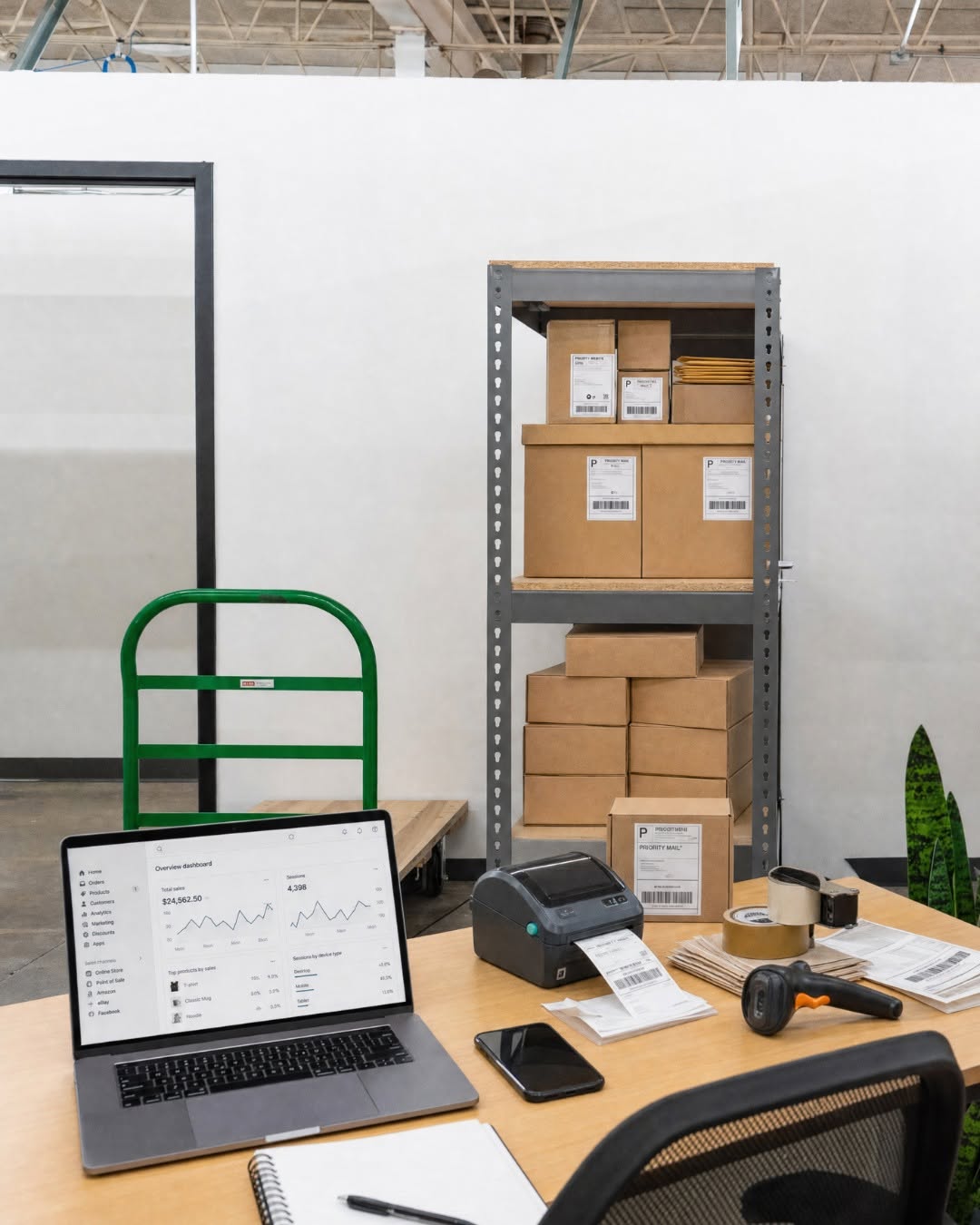
The bigger issue wasn't just space — it was the daily grind of getting orders out the door. Before moving into our Omaha location, packing and shipping meant loading boxes into a car and driving to the post office, FedEx, or UPS, or waiting on a scheduled carrier pickup while packages sat at the store. "We had things at our Old Market store just sit there because we were waiting for the post office guy, the postman, to come and just pick them up, and we had to schedule those pickups," one of the co-owners explained. "And now we can just like drop them off, we know they're getting out that day. It's really great."
What changed wasn't complicated. Members can bring deliveries up using the building's freight elevator, then take outgoing packages straight down to the loading dock for pickup — no scheduling, no personal vehicle involved. As the co-owners described it, the shift meant it "made our whole experience just as business girlies, um, shipping out" noticeably easier. Consistency was the word that came up again and again: knowing a package will actually leave the building that day, instead of hoping a scheduled pickup shows up.
"I Like to Think of Elevator as Our Third Staff Member"
Access Period, the nonprofit founded by Kristin Lowrey, provides free menstrual products across Nebraska. Before finding Elevator, Lowrey ran the organization out of a Sunday school classroom, and before that, out of her own garage — trying to manage product storage, volunteer coordination, and distribution logistics largely on her own.
"Before we had a dedicated warehouse space, and everything was complicated," Lowrey said. "So I like to think of Elevator as kind of our third staff member, because now people can come and pick up products whenever it's convenient for them."
That flexibility turned out to matter more than Lowrey initially expected. Access Period recently surveyed its partner organizations about what would make the relationship easier, and the answer was almost unanimous. "We just did a partner survey where we asked all of our partners what we could be doing to be better," Lowrey explained. "How could we logistically make it easier on them? Being able to pick up products at Elevator any time makes all the difference."
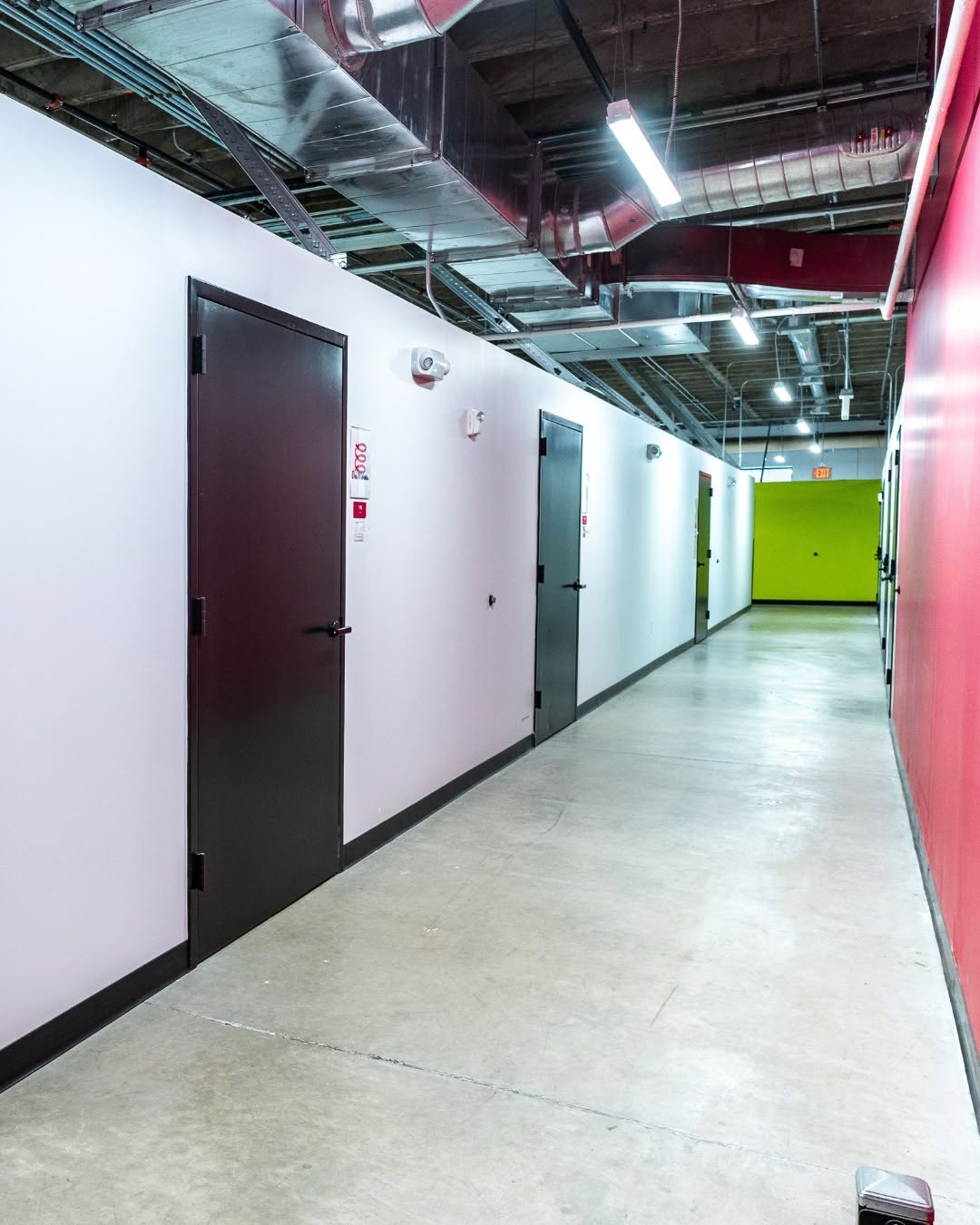
Access Period started with a single unit at Elevator and has since expanded into five, covering product storage, a volunteer room, and office space — a scale Lowrey didn't originally expect to need. Access Period's full story covers more of how that growth happened.
What's Actually Included Beyond Storage
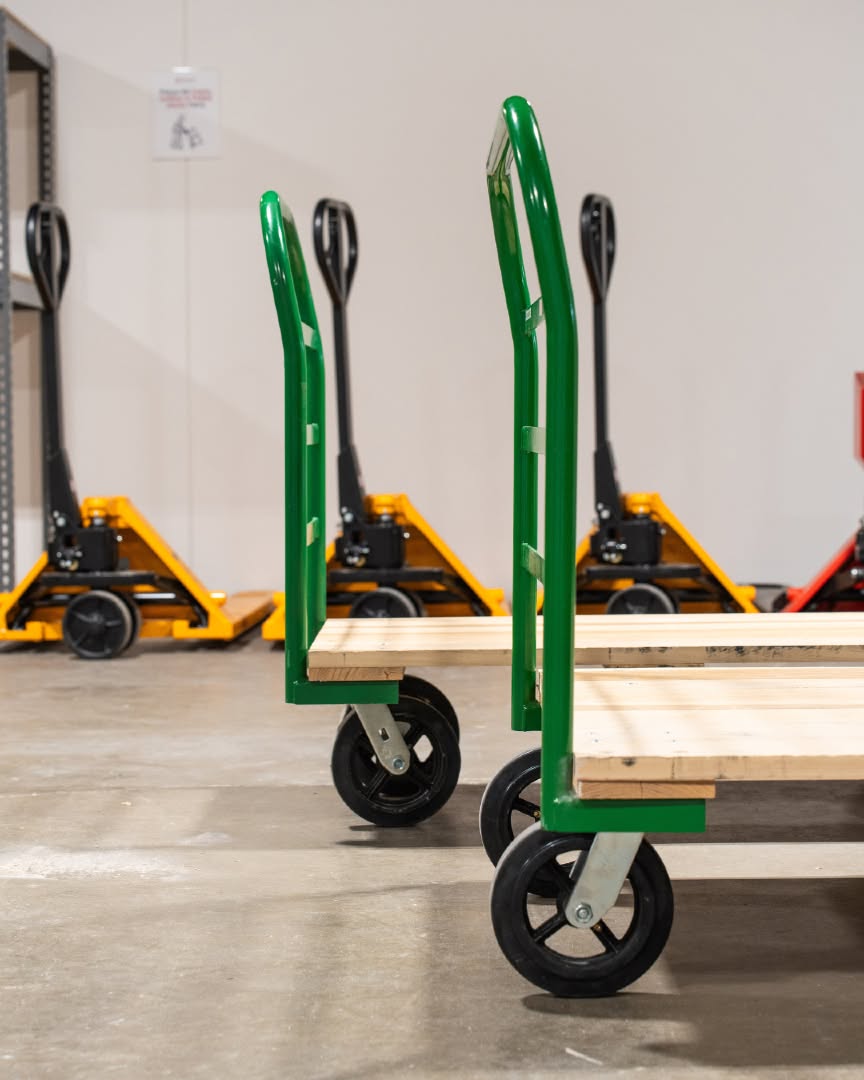
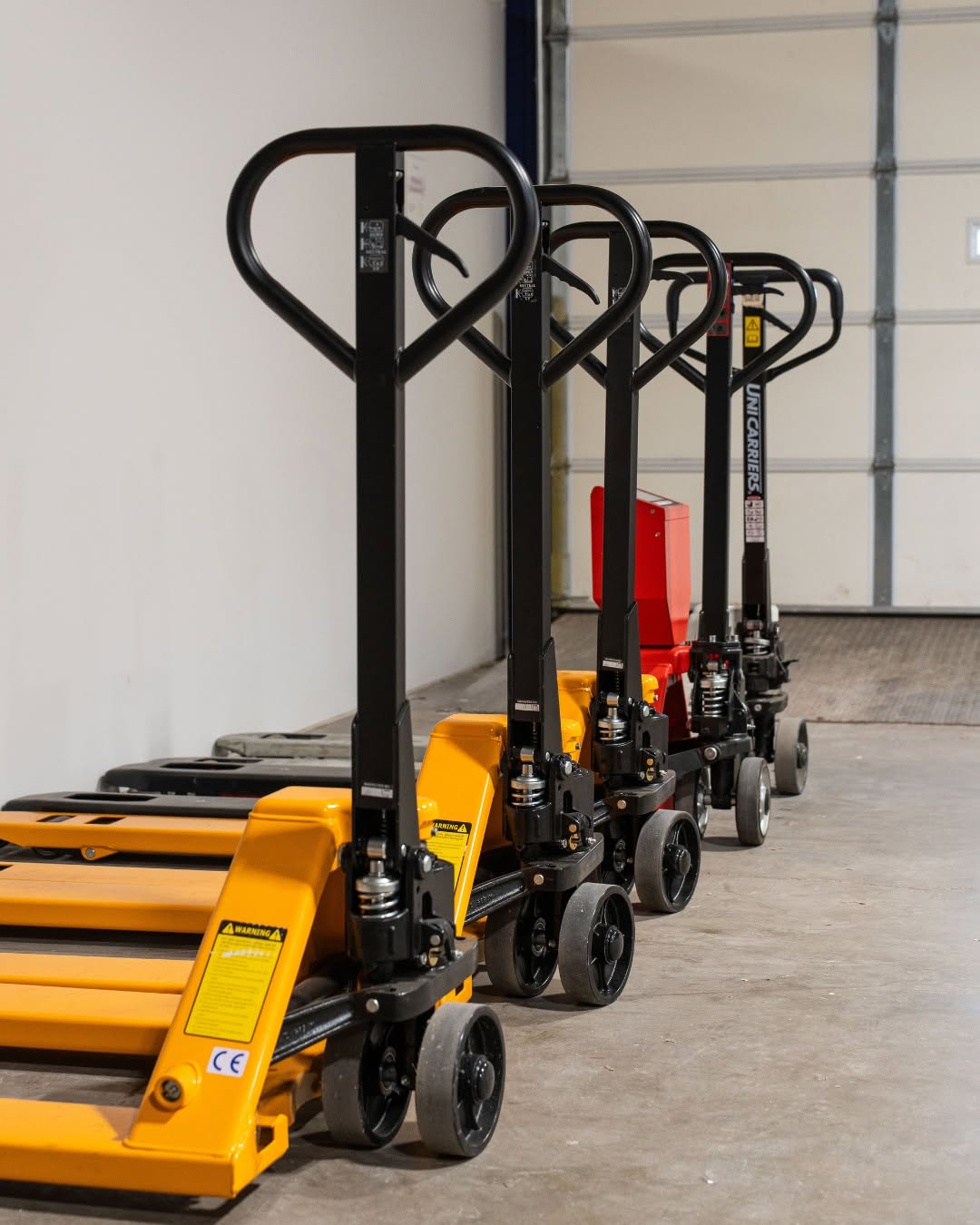
Both stories point to the same underlying idea: a workspace should solve more than the storage problem. As one of our own team members put it in a recent video, "a workspace should give you more than four walls." Members get high-speed internet, 24/7 access, daily carrier pickups, warehouse equipment, content creation equipment, meeting rooms, coffee, community events, and a community of other business owners working through the same growing pains — all under one membership, not billed separately as add-ons. The full list of what's included covers the details.
It's worth being specific about why that combination matters rather than just listing it. A retail brand shooting new product photos doesn't need to hire an outside photographer or set up lighting in a back room if a content studio is already part of the membership. A nonprofit meeting with a school partner or a donor doesn't need a second office address if a meeting room is a few steps away. None of it replaces the warehouse space — it sits alongside it, so a business isn't stitching together three or four separate vendors just to cover what one membership already includes.
What This Actually Means If You're Considering It
Made in Omaha and Access Period are different kinds of organizations solving different problems — one is a retail brand shipping subscription boxes, the other is a nonprofit distributing donated products statewide — but the underlying pattern is the same. Both had already outgrown ad hoc storage (extra retail space, a garage, a borrowed classroom) before they found a real solution. Both point to the same specific fix: a dedicated space paired with reliable, on-site carrier pickup, so shipping and receiving stop being a daily scheduling problem.
That pattern is really what Elevator was built around — what we think of as the "missing middle" in commercial real estate. There's plenty of options at the extremes: working out of a spare room or a maxed-out retail corner on one end, and a full industrial warehouse lease with a multi-year commitment on the other. Almost nothing exists in between for a business that's outgrown the first option but isn't ready for the second. Made in Omaha and Access Period both landed in that gap before finding a way out of it, and neither story is unusual among our members — it's closer to the norm.
Frequently Asked Questions
Does Elevator offer daily pickup from shipping carriers? Yes. Members can bring outgoing packages down to the loading dock, and carriers like USPS, UPS, and FedEx pick up directly from the building — no personal vehicle trips or scheduled pickup windows required.
Is co-warehousing a good fit for a nonprofit, not just a for-profit business? Yes. Access Period, a Nebraska nonprofit, has grown from a single unit to five at Elevator, using the space for product storage, volunteer coordination, and office work.
What does a member mean by calling Elevator a "third staff member"? It reflects how much day-to-day operational load the space takes on — reliable storage, flexible partner or customer pickup times, and consistent shipping — without requiring a business to hire someone specifically to manage logistics.
Is co-warehousing only useful for e-commerce businesses? No. Members range from retail brands shipping subscription boxes to nonprofits distributing donated goods to service businesses that just need office and meeting space.
What's included in an Elevator membership beyond warehouse space? Memberships include high-speed internet, 24/7 access, daily carrier pickups, shared warehouse equipment, content creation equipment, meeting rooms, and access to a community of other business owners.
Curious what this could look like for your own business? Book a tour and see it for yourself.

- Co-Warehousing for Startups in Lincoln, NE: A Smarter Way to Scale - September 22, 2026
- Affordable Warehouse Space in St. Louis, Missouri. - September 17, 2026
- Small Business Storage in Omaha That Actually Flexes With the Seasons - September 15, 2026